
Getting started online usually comes down to picking a path, and two of the most popular are freelancing and affiliate marketing. Each one feels like its own little universe with its own rules, rewards, and things that can go wrong if you jump in without knowing what you’re in for. I’ve tried both, hit a few bumps, and found what works, and what’s just hyped up. If you’re trying to pick between freelancing vs affiliate marketing and don’t want to waste time, I’m breaking down how both work, what each one looks like for a beginner, and how to figure out the right fit for you.
Quick TL;DR: Freelancing vs Affiliate Marketing
If you want a super speedy answer: Freelancing means using your skills to get paid by clients for projects or tasks (think graphic design, writing, coding, etc.), while affiliate marketing is all about recommending products online to earn a commission on sales (often through blogs, social media, or YouTube). Freelancing gets you paid faster but takes more consistent effort. Affiliate marketing is slower upfront but can work while you sleep, though it’s not “easy money.”
Why This Matters for Beginners
Freelancing vs affiliate marketing isn’t just a random debate, choosing the right starting point can save you months of feeling completely lost. When I first tried online work, I went straight for affiliate marketing expecting passive income to roll in. Turns out, there’s a learning curve and a lot of groundwork. Then I tried freelancing and found that while it gave me cash much sooner, it also came with deadlines, clients, and sometimes more hustle. Understanding the ups and downs of both, with some first-hand stories, can help you set smarter goals right from the start.
Freelancing 101: What to Know Before Starting
Freelancing is pretty much the classic “get paid for your skills” setup. Pick what you’re good at: writing, web design, virtual assistance, video editing, you name it, and sell it as a service.
- How the money works: You get paid per project, hour, or task. No fancy websites or paid ads needed to start, just a profile on sites like Upwork, Fiverr, or Freelancer.com.
- Skill level required: If you’ve got a portfolio, great. If not, practice projects or free gigs can help bulk it up. The better your skills (and the more proof you can show), the easier it is to land decent gigs.
- Fast wins & real challenges: The best part is income can start rolling in your very first week. The catch? You usually need to keep pitching and delivering to keep the pipeline going. Sometimes clients ghost you or ask for endless revisions, which isn’t fun (speaking from experience!).
Handy Gear for Freelancers and Where to Find It
- Good webcam for Zoom calls and virtual meetings
- USB microphone for voice clarity if you do podcasting or presentations
- External hard drive to back up project files
Affiliate Marketing 101: The Basics, Pros, and Pitfalls
Affiliate marketing is basically earning a commission by sending sales to someone else’s product. You promote items through your blog, website, YouTube, or social media, and when someone clicks your unique link and buys, you get paid a piece of the sale. Programs like Amazon Associates, Wealthy Affiliate, or Benable make joining easy.
- How the money works: Most commissions start low (Amazon’s is around 1-10%, depending on the product), so volume matters. Big-ticket items or recurring subscriptions, though, can actually add up fast over time.
- Skill level required: Writing helps. So does understanding SEO, making basic videos, or learning to use social platforms like Pinterest or Instagram. No need to be a tech whiz or sales expert upfront, but be ready to learn as you go.
- The trade-off: It’s fun to recommend stuff you like, and sales can come in while you’re asleep (true story: I woke up once to $50 from a blog post I wrote months earlier). But there’s a ramp-up period where you’re building content and not seeing much money at all. Consistency pays off, but it can feel slow at first.
Friendly Tools and Where to Get Them
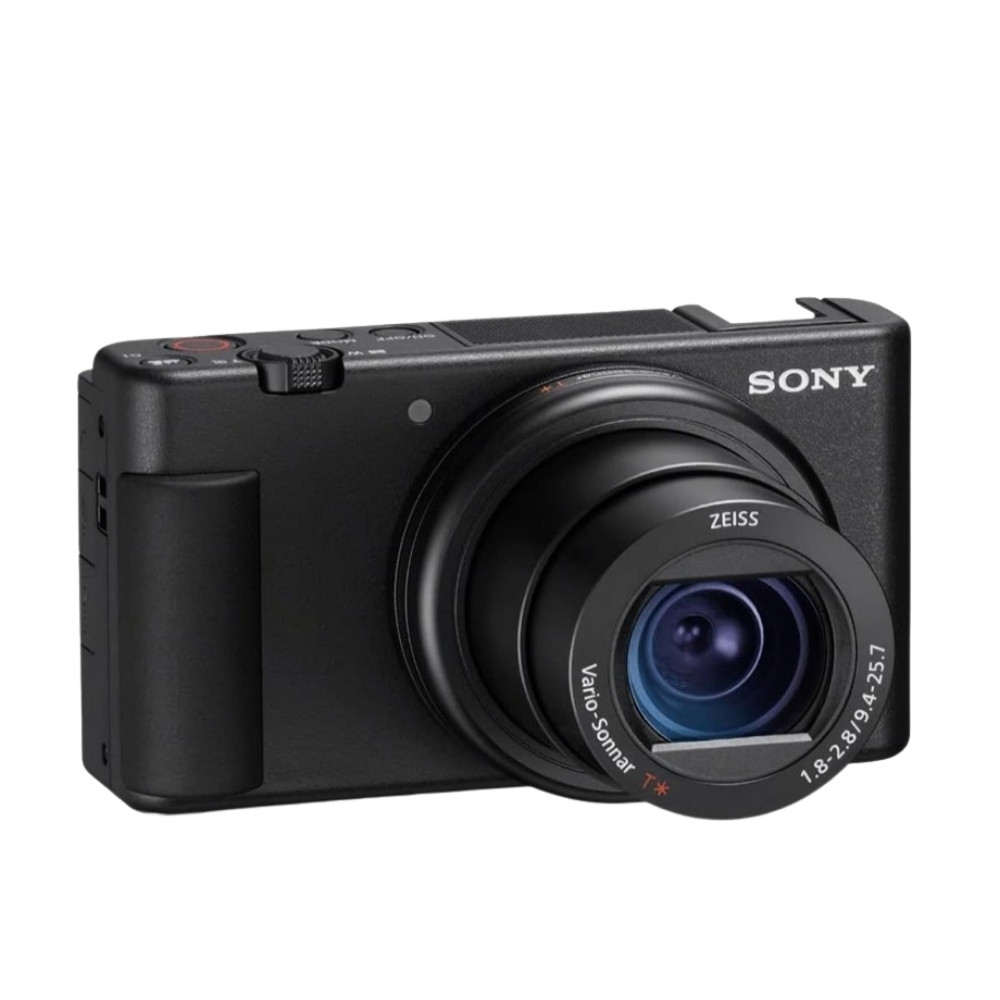
- Sony ZV-1 Digital Camera – Vlogging camera for reviews and unboxing
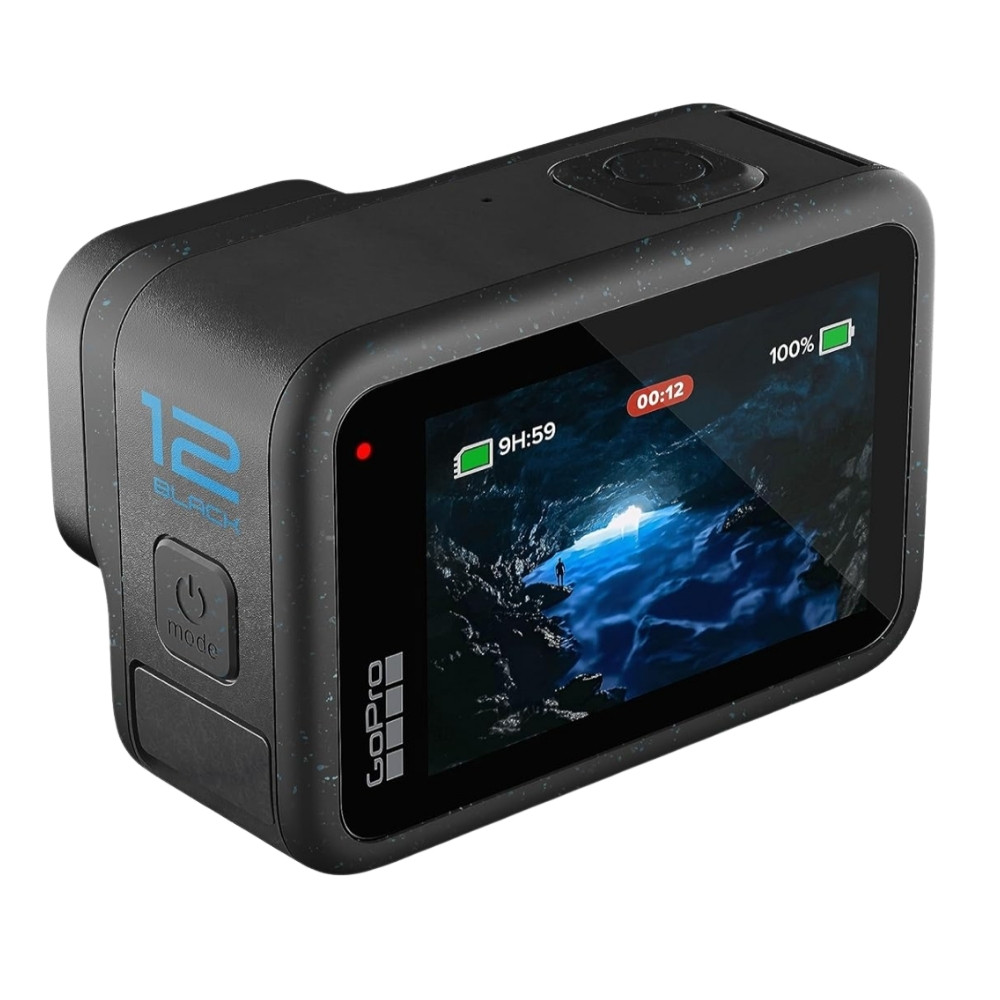
- GoPro Action camera if you’re reviewing outdoor gear
Freelancing vs Affiliate Marketing: Head to Head Comparison
- Startup Speed: Freelancing usually gets you paid sooner. Affiliate marketing is slower first, then can build.
- Skills Used: Freelancing relies on your current skills. Affiliate marketing rewards learning content creation, search engine optimization, and digital marketing tricks.
- Income Style:Freelancing is trading time for money, you do the work, get paid. Affiliate marketing is more earn while you sleep but needs a lot of upfront effort with no guarantees.
- Long Term Potential: Affiliate marketing can snowball with time. Freelancing can feel like you’re always chasing the next project unless you build a brand or agency.
- Stress Level: Clients with unclear feedback (freelancing) can be draining. Obsessing over your first affiliate sale can feel never ending, but once it clicks, the excitement absolutely makes it worth it.
What Trips People Up And What Actually Works
Something I learned the hard way: jumping in half blind leads to disappointment. Freelancers often think “getting clients” is easy, but sometimes you wait weeks for your first gig. Affiliate marketing can feel like screaming into a void for months. Platforms promise easy wins, but the real progress comes with a mix of patience, consistent action, and honest feedback.
- Freelancing pitfalls: Underpricing your work, working with unreliable clients, forgetting to plan for taxes
- Affiliate hurdles: Chasing too many niches, spreading yourself thin, or getting discouraged by slow early traffic
If there’s one thing I’d go back and tell myself as a beginner: start small, get feedback often, and learn from those a few steps ahead. Programs like Wealthy Affiliate are actually pretty handy for hands-on training and community support, especially if you don’t know anyone doing this in your offline life.

Real Life Example: How Two Friends Started Differently
I have a buddy, who jumped into freelancing writing product descriptions and did well within his first couple of weeks because he already had samples from past projects. Another friend, started a review blog for eco products and nearly quit after three months with zero sales, but stuck with it. Her blog now pays her phone bill every month, and sometimes more. Neither path was “easier,” just different rhythms and timelines. Their choices reflect how background and persistence shape the ride. If you lean toward quick wins, freelancing might feel more rewarding at first. If slow growth doesn’t scare you and you enjoy creating content, affiliate marketing could pay off down the line.
Also, building a network helps both ways. Freelancers find better gigs by connecting with past clients or peers in forums. Affiliate folks often get ahead by joining blog networks or collaborating with others who write about similar products. Either way, sharing experiences and tips can make your path smoother and boost motivation.
Action Plan: Steps to Try Each Approach
If you’re torn, here’s how I’d test both:
- Pick ONE freelancing site and create a profile (Upwork or Fiverr works well)
- Offer a service related to something you know (writing a resume, making a logo, simple video edits, etc.)
- Pick ONE affiliate program (Amazon Associates or your favorite product’s program)
- Create a basic blog post or simple video reviewing something you use
- Check in after a month: Which feels better? Where did you see more momentum or excitement?
Keep notes on what works and don’t give up until you’ve at least finished those first steps. Over time, you’ll spot what energizes you more, fast results from freelancing, or the slow build and tiered earnings of affiliate marketing. Play to your strengths and revisit your progress often.
Looking for a training platform that actually works?
I’ve put together a full walkthrough of the affiliate marketing training that helped me build everything I have today. It’s practical, beginner-friendly, and you can try it out for free to see if it suits you.
Take a look at my honest review and see if it’s the right fit for you.
Turn Your Passion into Earnings
Get the Tools, Training and Support you need. All in One Place
Join a a Vibrant and Global Community of
Marketers and Entrepreneurs from Around the World
FAQs
Is freelancing or affiliate marketing better for making fast money?
For fast money, freelancing wins. You can sometimes land a gig and get paid in days. Affiliate marketing pays slower but can build over time.
Can I do both freelancing and affiliate marketing at the same time?
Absolutely! Lots of people start freelancing for income and experiment with affiliate marketing on the side as a long-term project.
What skills do I need to start affiliate marketing?
Basic writing or video creation, and a willingness to learn about SEO and online traffic. No coding or advanced sales skills required to start.
How much upfront money do I need?
Freelancing needs almost nothing beyond a computer or phone. Affiliate marketing sometimes needs a small budget for a website or gear if you want to get fancy, but there are ways to start free, like on Medium or YouTube.
Picking the Right Approach for You
Freelancing vs affiliate marketing both have their own timeline, vibe, and risk. Freelancing gives you near instant feedback on your skills and pays fast, but can burn you out if you’re juggling too many projects. Affiliate marketing can be fun once you get a sales system going, but it’s a long game and not everyone has the patience to stick with it.
The Real Takeaway From My Perspective
If your first goal is money in your pocket, freelancing’s the way to go. If you’re cool with building something over time and want income that eventually works on autopilot, affiliate marketing is worth checking out. A lot of people mix both, adjusting their focus as goals change.
I really recommend checking out Wealthy Affiliate for affiliate marketing, or CustomGPT.ai to add some cool AI tools to your workflow. Even Benable can help connect your recommendations with actual sales if you’re new to all this.
If you’ve tried either approach, or both, I’d love to hear how it went for you. What tripped you up in the beginning? Got any side stories or total wins? Jump into the comments or hit me up. I always reply to real questions. Happy hustling wherever you start!
Let’s make it happen!
You may like “Affiliate Marketing Strategy For Beginners“