

Pinterest is a visual search engine that allows users to discover content, products, and ideas through keyword-based queries. Unlike traditional social media platforms, Pinterest content can generate long-term traffic, making it an effective tool for building passive income through affiliate marketing, blogging, digital products, and services.
Pinterest might seem like just another site full of sparkling kitchens and vacation dreams, but there’s a lot more happening below the surface. Unlike a typical social network, Pinterest operates much more like a search engine, which is key when you want to build passive income. People visit Pinterest to find inspiration, get answers, or shop for things. That means your content can keep popping up in search results for years. This is super helpful for folks starting out, working solo, or jumping in a bit later in life. Getting started takes little effort, but sticking with it really pays off over time.
If you want to make money on Pinterest, understanding how it works as a search engine is key.
Who This Strategy Works Best For
This approach is ideal for beginners, bloggers, and creators who want to build long-term traffic without relying on constant posting or social media engagement. It’s especially effective for those interested in affiliate marketing, digital products, or building passive income streams over time.
TL;DR: How to Make Passive Income on Pinterest
1. Pinterest works like a search engine, meaning your content can generate traffic for months or even years
2. The basic strategy is simple: Pin → Click → Content → Income
3. You can make money on Pinterest using:
- Affiliate marketing
- Blogging with ads
- Selling digital products
- Offering services or coaching
- Sponsored content (advanced)
4. Focus on helpful content + keywords, not just pretty images
5. Results typically take 3 – 6 months, but grow steadily over time
6. Consistency is the key to turning Pinterest into a long-term passive income machine
How Pinterest Passive Income Works Behind the Scenes
Pinterest generates passive income by acting as a visual search engine where pins link to blogs, products, or offers. When users search and click your pins, they are directed to monetized content, creating ongoing traffic and income opportunities that can continue working long after the pin is published.
The real magic with Pinterest is sharing pins that link directly to helpful content. Your pin can show up for anyone searching for that topic. Unlike posts on other platforms that fade away in a day or two, your pin can keep driving traffic to your blog, products, or offers year after year. Here’s the basic flow I rely on. For example, one of my pins continued driving traffic months after publishing, showing how Pinterest can generate long-term results.:
Pin → Click → Destination (blog, shop, landing page) → Income opportunity
This repeating source of traffic is what opens the door to steady, hands-off income the longer you keep at it.
My Experience With Pinterest Traffic
When I started using Pinterest, I noticed that pins didn’t bring instant results. However, after consistently posting and optimizing for keywords, some of my pins began generating traffic weeks later. This showed me that Pinterest works more like a long-term search engine than a social media platform.
From my experience, Pinterest traffic tends to grow gradually rather than instantly.
Ready to start making passive income with Pinterest?
Download my FREE Pinterest Passive Income Starter Guide
5 Proven Ways to Make Money on Pinterest – Passive Income Strategies
You can make money on Pinterest through affiliate marketing, blogging with ads, selling digital products, offering services, and sponsored content. Each method uses Pinterest traffic to drive users to monetized platforms, allowing creators to build scalable and semi-passive income streams over time.
Let’s get into five smart, practical ways you can put Pinterest to work as a passive income tool. If you want to start small and grow, these are excellent places to begin:
1. Affiliate Marketing – Low-Risk and Beginner-Friendly
With affiliate marketing, you recommend products or services and earn a commission when a purchase is made through your unique link. I share reviews, roundups, or simple how-to guides on my blog and then link those posts to pins on Pinterest. When someone finds my article and clicks the affiliate link, I receive a commission for any purchases. It’s so popular because you don’t have to design your own products, you’re just passing along things you know and trust. Step-by-step, it works like this:
- Pin highlights a solution or useful idea
- User clicks the pin and lands on your post
- Your blog contains affiliate links, and any clicks that lead to a purchase earn you a commission
Amazon Associates, ShareASale, and Impact are solid places to find affiliate programs for almost any niche you can imagine. They offer thousands of products you can promote across different niches.
Pros:
- No need to create your own product
- Beginner-friendly and low startup cost
- Huge variety of products to promote
Cons:
- Takes time to build trust and traffic
- Commission rates can vary widely
- Requires good content to convert clicks into sales
Earning Potential:
$50 – $1,000+ per month depending on traffic, niche, and conversion rates
Beginner Tip:
Start by promoting products you already use or understand. Focus on creating helpful content (reviews, tutorials, comparisons) instead of just dropping links.
Quick Tip:
You don’t have to choose just one method. Many successful Pinterest creators combine affiliate marketing, blogging, and digital products to create multiple income streams from the same traffic.
Example: A pin titled “Best Budget Planners for Beginners” can link to a blog post reviewing planners with affiliate links. When users click and purchase, you earn a commission.
One thing I’ve noticed is that pins often take weeks before gaining traction.
2. Blogging Plus Ad Revenue
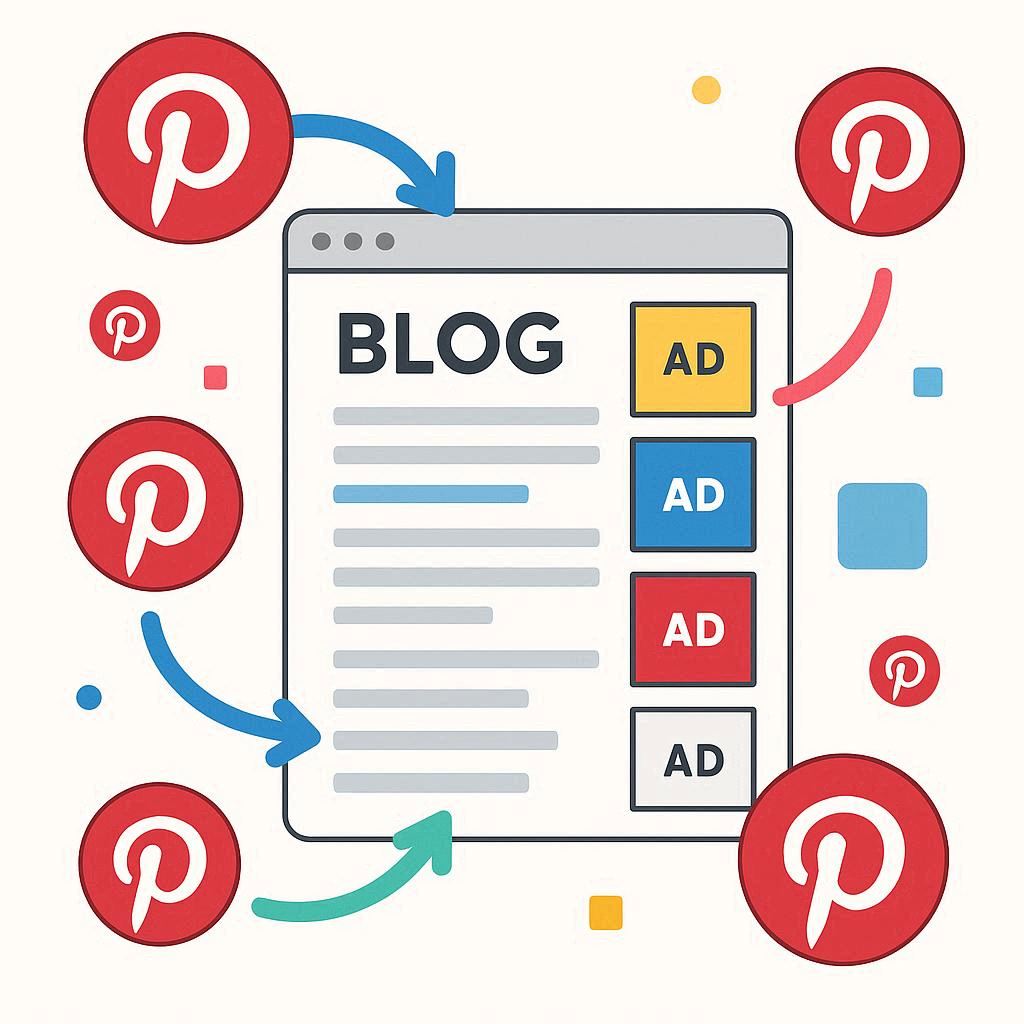
Pinterest is a massive traffic magnet for blogs, sometimes the very best out there. By writing useful or entertaining articles and supporting them with pins, you can draw daily readers to your website.
I add ad networks such as Google AdSense, Mediavine, or Ezoic, which pay based on views. As Pinterest continues to bring in visitors, those ad impressions translate to growing revenue. Even a small collection of popular blog posts can keep attracting steady visitors.
Some pins can take 30 – 90 days to gain traction but may continue driving traffic for months or even years.
Pros:
- Passive income from page views
- Works well with Pinterest traffic
- Scales over time as content grows
Cons:
- Requires consistent content creation
- Traffic needed before meaningful income
- Ad networks like Mediavine require approval
Earning Potential:
$100 – $5,000+ per month depending on traffic volume and niche
Beginner Tip:
Focus on writing SEO-friendly blog posts that answer specific questions people search for on Pinterest.
Quick Tip:
You don’t have to choose just one method. Many successful Pinterest creators combine affiliate marketing, blogging, and digital products to create multiple income streams from the same traffic.
Example: A post like “10 Easy Meal Prep Ideas” can attract consistent Pinterest traffic and generate ad revenue from page views.
3. Digital Products: Sell What You Know Once!
Digital products let you get paid for your knowledge without ever shipping a package. Printables, planners, checklists, workbooks, or custom Canva templates are all huge hits on Pinterest.
A friend of mine built a budgeting planner, linked it through her pins, and every sale lands money in her account, no shipping or inventory. You only have to build your digital product once. As long as your pin keeps circulating, you could keep selling it for years. Gumroad, Etsy, and Shopify make it easy to set up your digital shop.
Pros:
- High profit margins (no inventory or shipping)
- Create once, sell repeatedly
- Full control over pricing and branding
Cons:
- Requires upfront time to create the product
- Needs good marketing to generate sales
- Competition in popular niches
Earning Potential:
$200 – $10,000+ per month depending on product quality and demand
Beginner Tip:
Start simple with one product like a checklist or planner. Validate demand before creating more products.
Quick Tip:
You don’t have to choose just one method. Many successful Pinterest creators combine affiliate marketing, blogging, and digital products to create multiple income streams from the same traffic.
Example: A printable budget tracker shared on Pinterest can generate repeated sales as users download it directly.
4. Offer Services or Coaching
Pinterest is an amazing resource for coaches, consultants, or freelancers, especially if you’re mixing up careers or want flexible hours. I’ve seen people build authority by sharing nuggets of expertise in nutrition, life coaching, copywriting, or graphic design.
Your pins send people straight to your service or booking page. Once you build trust, your services can be found and purchased even while you sleep. This works really well for career changers, especially those who are 45 or older. Pinterest works quietly behind the scenes to attract ideal clients to you.
Even a single well-performing pin can bring hundreds of monthly visitors to your site.
Pros:
- High income potential per client
- Builds authority and trust quickly
- Can lead to long-term clients
Cons:
- Not fully passive (requires time initially)
- Needs strong personal branding
- Requires skill or expertise in a niche
Earning Potential:
$500 – $10,000+ per month depending on pricing and client volume
Beginner Tip:
Use Pinterest to share valuable tips that showcase your expertise, then link to a simple booking or contact page.
Quick Tip:
You don’t have to choose just one method. Many successful Pinterest creators combine affiliate marketing, blogging, and digital products to create multiple income streams from the same traffic.
Example: A Pinterest pin titled “Free Resume Tips to Land Your Dream Job” can link to a landing page offering career coaching services. After reading helpful tips, users can book a paid consultation or coaching session directly through your website.
5. Sponsored Content for Established Creators
When your Pinterest account begins generating real traffic, brands may reach out with sponsorship opportunities. This typically means a flat fee to mention or create a pin highlighting their product.
While getting to this stage can take some time, it adds a reliable bonus income stream once you’re established. Picking a specific area to focus on is the quickest way to reach sponsorship-level status.
Pros:
- High-paying opportunities per collaboration
- No need to sell directly
- Great for scaling income once established
Cons:
- Requires existing traffic and audience
- Not beginner-friendly
- Income can be inconsistent
Earning Potential:
$100 – $2,000+ per sponsored post depending on your reach and niche
Beginner Tip:
Focus on growing consistent traffic first. Brands care more about engagement and clicks than follower count.
Quick Tip:
You don’t have to choose just one method. Many successful Pinterest creators combine affiliate marketing, blogging, and digital products to create multiple income streams from the same traffic.
Example: A creator in the home decor niche might publish a pin like “Top Minimalist Living Room Ideas” featuring a specific brand’s furniture. The brand pays a flat fee for the exposure, and the pin continues driving traffic and visibility long after it’s published.

The Pinterest Passive Income Loop
The process of making money on Pinterest can be simplified into a repeatable system:
Create → Pin → Rank → Click → Monetize → Repeat
Each step builds on the previous one. As more pins rank in search results, they continuously drive traffic to your monetized content, creating a compounding effect over time.
Important: Pinterest Is Not Instant Income
While Pinterest can generate passive income, it’s not a quick-win strategy. Most accounts take several months to gain traction, and results depend heavily on consistency, niche selection, and content quality.
Beginner’s Roadmap: Getting Started with Pinterest Passive Income
To start making money on Pinterest, choose a niche, create a business account, set up a blog or landing page, design keyword-optimized pins, and post consistently. Success depends on aligning your content with search intent and maintaining regular activity to build long-term traffic.
I favor simplicity and repeatable steps. If you’re just starting out, try this approach:
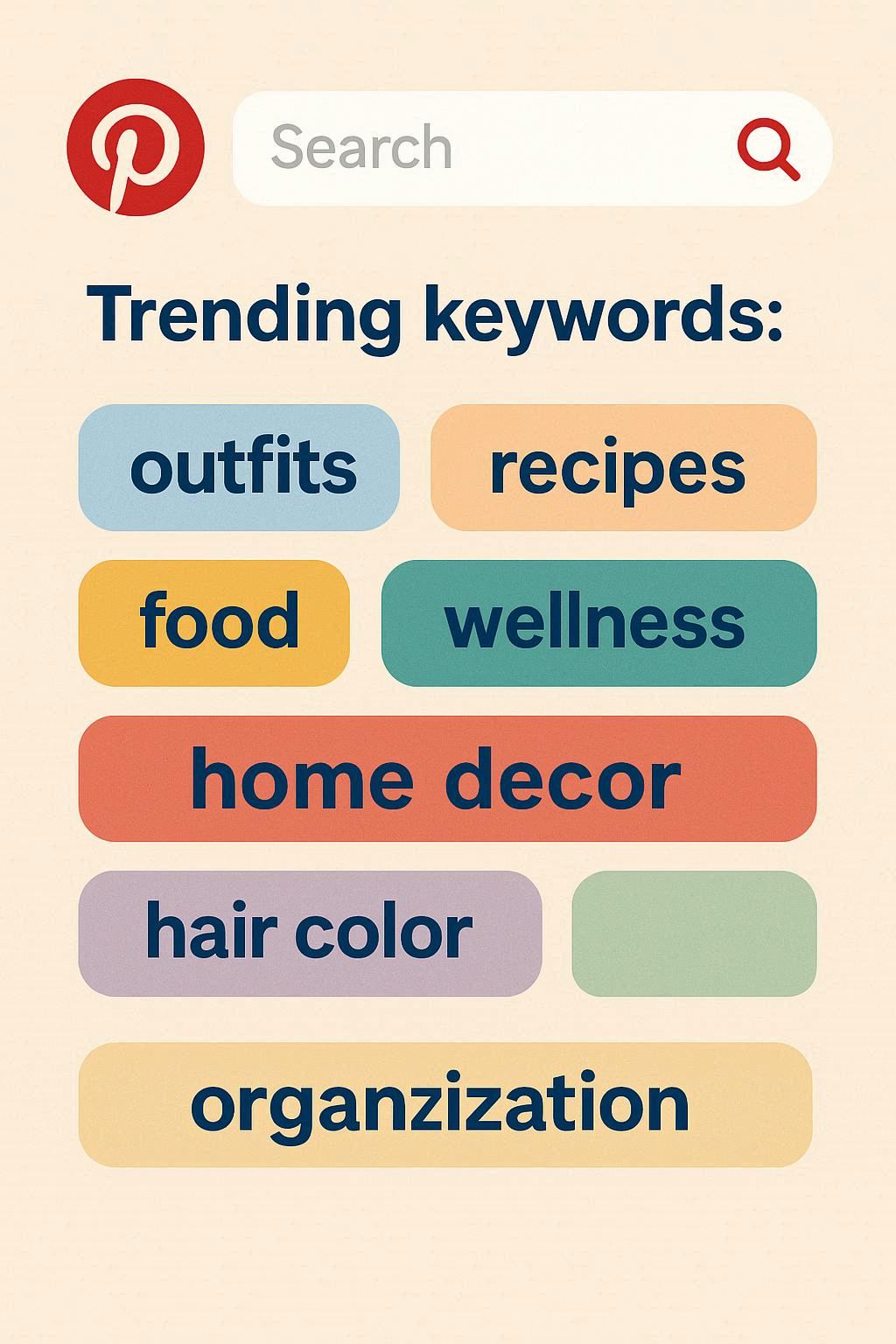
- Pick a profitable niche. Popular topics on Pinterest include food, wellness, home decor, travel, finance, and online business. Choose an area you already know or want to learn.
- Create a Pinterest business account. It’s free and unlocks key analytics. Complete your profile and include keywords that match your audience’s interests.
- Prepare your content hub. You can use a blog, digital shop, or a simple landing page for affiliate offers, just somewhere to send interested users. You can also repurpose content using this strategy.
- Design eyecatching pins. Bold text overlays and punchy headlines draw clicks. Canva and Adobe Express make design a breeze.
- Do your keyword research. Use Pinterest’s search bar to see exactly what your target audience is typing. Include those terms in pin titles, descriptions, and board names.
- Be consistent with posting. Share a few new pins every week, even with a free scheduler like Tailwind or Pinterest’s scheduler. This regular posting helps your content stay at the top of search results.
Secrets to Growing Faster with Pinterest
Growing on Pinterest faster requires focusing on problem-solving content, using multiple pin designs per link, analyzing performance data, and staying consistent. Instead of chasing viral trends, steady posting and keyword optimization help build sustainable traffic over time.
Try these tips to help your pins gain more traction faster:
- Focus on solving real problems – people search Pinterest looking for specific solutions.
- Create multiple pins for the same link, different designs can reach new sets of users.
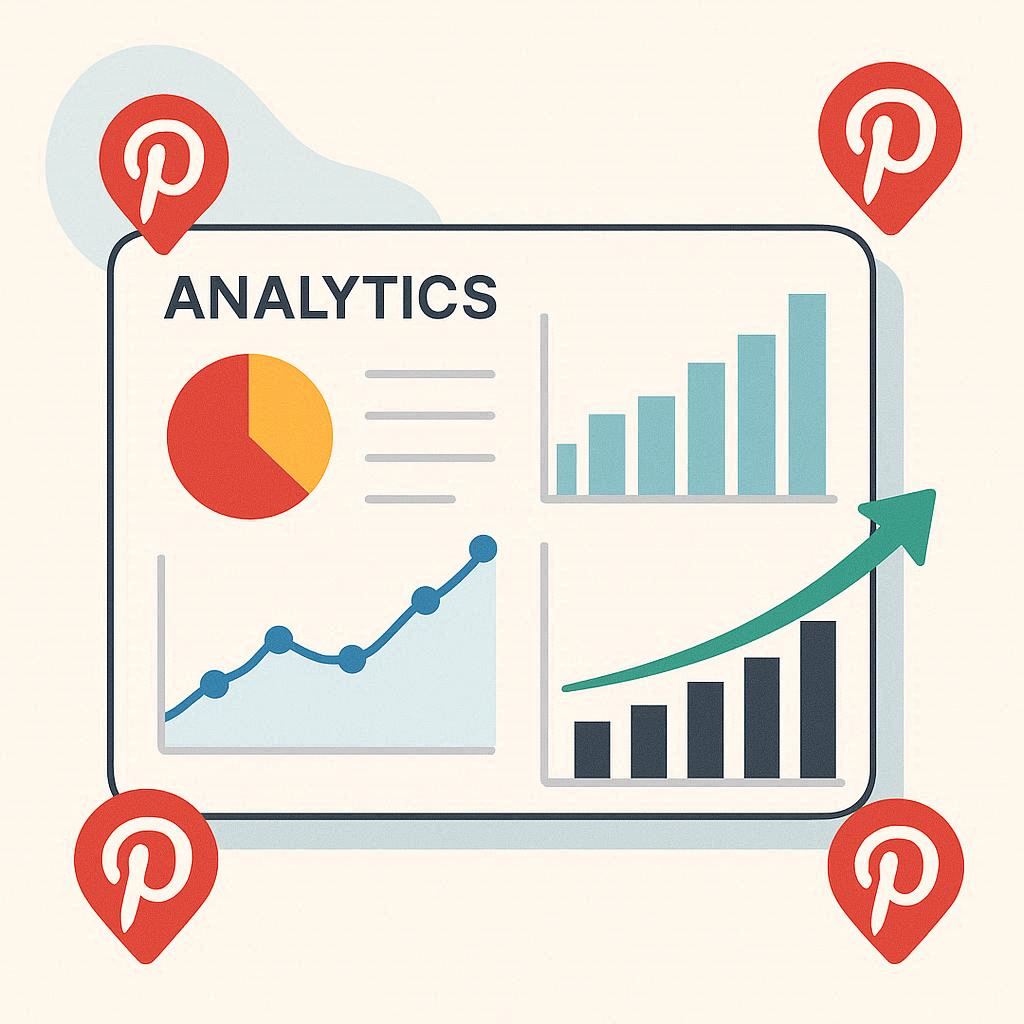
- Review your analytics to spot which pins bring in the most traffic, then make similar ones.
- Skip the viral chase. Slow, steady growth means your pins will continue working for you.
What Trips Up Most Pinterest Beginners
Most beginners fail on Pinterest by treating it like a social media platform instead of a search engine. Common mistakes include ignoring keywords, posting inconsistently, expecting quick results, and promoting irrelevant content that doesn’t match user intent.
- Treating Pinterest like Instagram, pretty pictures alone won’t work without relevant keywords
- Ignoring Pinterest SEO: If you skip keywords, you’ll miss out on search-driven visitors
- Expecting quick wins – it’s more of a marathon than a sprint
- Pushing irrelevant offers that don’t solve user problems
- Posting inconsistently, regular activity is what gets pins ranked well
Most challenges come from treating Pinterest as just another social platform. Shifting your mindset to see it as a search tool makes results come much quicker.
What Most People Get Wrong About Pinterest
Most beginners focus too much on creating visually perfect pins, but Pinterest prioritizes relevance and keywords over design alone. Without proper keyword optimization, even the best-looking pins may never get seen.
How Quickly Can You Make Money?
Making money on Pinterest typically takes 3 to 6 months as traffic builds gradually. Initial setup and content creation happen in the first months, while consistent pinning leads to increasing visibility, allowing passive income streams to develop over time.
A lot of people want to know how soon they can start making money with Pinterest:
- Months 1 – 2: Set up your account, blog, or shop. Post your first pins and build out your basics.
- Months 3 – 6: See traffic picking up as you publish pins and content regularly.
- After 6 months: Your best pins begin to deliver steady repeat visitors. Passive income streams start to grow.
Consistency is everything. Months of effort up front can mean steady, hands-off income for the long haul. The rewards are worth it if you stick with the process.
Ready to start making passive income with Pinterest?
Download my FREE Pinterest Passive Income Starter Guide
Pinterest vs Social Media Traffic
Pinterest differs from typical social media platforms because it functions as a visual search engine. Unlike Instagram or TikTok, where content quickly loses visibility, Pinterest pins can generate traffic for months or years. This makes it ideal for long-term passive income, consistent traffic, and evergreen content monetization.
Unlike platforms like Instagram or TikTok where content quickly loses visibility, Pinterest content can remain discoverable for months or years. This makes it more reliable for long-term traffic and passive income generation.
| Feature | TikTok | ||
|---|---|---|---|
| Content Lifespan | Months to years (evergreen) | 24–48 hours | Hours to a few days |
| Discovery Method | Search-based (keywords) | Follower-based | Algorithm-based (viral) |
| Traffic Potential | High and consistent over time | Limited without large following | High but unpredictable |
| Passive Income Potential | Strong (compounding traffic) | Low to moderate | Low (short lifespan) |
| Best Use Case | Long-term traffic + monetization | Branding + engagement | Viral reach + exposure |
| Effort Required | Consistent but scalable | Frequent posting needed | Constant content creation |
| Click-Through Rate | High (users expect to click) | Low (users stay on platform) | Low (limited linking options) |
Frequently Asked Questions
How long does it take to make money on Pinterest?
It usually takes 3 – 6 months to start seeing consistent traffic and income.
Can beginners make money on Pinterest?
Yes, Pinterest is beginner-friendly and doesn’t require a large following.
Do you need a blog to make money on Pinterest?
No, you can also use landing pages or sell digital products directly.
Is Pinterest still profitable?
Yes, Pinterest remains one of the best platforms for long-term organic traffic.
Why Pinterest Works So Well for Anyone, Especially Late Starters
Pinterest works well for beginners because it doesn’t require a large following or personal branding. Its search-based system allows content to gain visibility over time, making it ideal for those seeking flexible, long-term passive income without constant content creation.
Pinterest lets you set your own pace and succeed in the background, you don’t need a big face-forward brand, selfies, or endless videos. Tech skills aren’t a must. Your knowledge and consistency matter most. Keep it simple, stick to a regular posting schedule, and allow your pins to carry your message over time. I’ve seen this work again and again, regardless of age or expertise.
Want to Start? Here’s Where to Go Next
If you’re ready to get into it, I’ve put together a free guide that walks you through Pinterest affiliate marketing step by step. Or, check out my next post for more tips on making passive income with digital products. Got questions or stories to share? Drop a comment below, I’d love to hear about your Pinterest adventures!
Disclaimer: This post may contain affiliate links. Results vary depending on your effort, niche, and consistency.