How To Sell Audiobooks – Beginner To Profit Guide
Pretty much everyone thinks you’ve got to land a publishing contract or have deep voiceover experience to make money selling audiobooks. You really don’t. I’ve seen regular creators, self-published authors, and even total beginners jump into the audiobook business using AI tools, smart marketing, and a dash of hustle, then turn it into real profit.
Today, anyone can self-publish audiobooks using AI narration tools and digital publishing platforms.
Why Selling Audiobooks Is a Smart Online Business
Audio content just keeps getting more popular every year. People are listening to books while driving, working out, or cooking dinner. Spotify, Audible, and even YouTube are packed with new releases and indie hits. The best part? These days, you don’t actually need a traditional publisher or a fancy recording studio to sell audiobooks.
AI narration has made it more affordable and a lot easier to create audio versions of written content, even if you’ve never picked up a microphone in your life. The startup cost is surprisingly low. Audiobooks are a product you can sell on repeat (hello, passive income). If you’re an author, podcaster, content creator, voiceover hobbyist, or just curious about turning stories into money, this whole scene is wide open for you.
Audiobook Industry Growth – Why This Market Is Booming
The audiobook industry has exploded in popularity over the last few years, and the numbers make it clear this trend isn’t slowing down anytime soon.
- The global audiobook market is projected to reach about $9.8 billion in revenue in 2025 and is expected to grow to over $13 billion by 2030, showing steady demand worldwide.
- Around 1.5 billion people globally listened to at least one audiobook in 2023, highlighting how mainstream audio content has become.
- The U.S. audiobook market alone generated about $3.1 billion in revenue in 2023, continuing double-digit annual growth.
- Platforms like Audible now host over 500,000 audiobooks, and more than 1.2 million audiobooks were published globally in 2023.
- Self-published titles are gaining traction, with about 18% of audiobook sales coming from independent creators.
What’s driving this growth?
- More people prefer consuming content while multitasking (driving, exercising, or doing chores).
- Smartphones and streaming platforms make audiobooks instantly accessible anywhere.
- New technology like AI narration tools is dramatically reducing production costs for creators.
For creators and entrepreneurs, this means one thing: the audiobook market is still expanding, and there’s room for new publishers and independent creators to enter the space.
Quick Stat: The audiobook industry is expected to generate $9.8 billion globally, with millions of new listeners joining every year.
What You Actually Need to Sell Audiobooks
Getting your first audiobook up for sale is way less complicated than it sounds. Here’s how the process works in simple terms, not industry jargon.
Step 1: Create or Own the Content
- Write your own book: If you’ve got a manuscript or ebook, you’re already halfway there.
- Turn blog posts into audiobooks: If you’ve written blog posts, guides, or even longform articles, you can rework them into audio scripts.
- License PLR (Private Label Rights) books: You can legally buy the rights to existing books and produce audio versions (always check the license terms for audio use).
- Use public domain books: Many classic works are free to use and record. No permission needed if they’re in the public domain.
Curious about using AI tools for creative projects like this? Worth checking out my guide to using AI tools for micro-creators for extra tips.
Legal & Rights Considerations When Selling Audiobooks
Before turning written content into an audiobook, it’s important to make sure you have the legal right to use the material. Not all books or articles can be recorded and sold as audio versions.
Here are the main rules beginners should know.
1. Your Own Content
If you wrote the book, blog posts, or guide yourself, you automatically own the copyright and can create an audiobook version without any issues.
This is the safest and simplest option for most creators.
2. Public Domain Books
Public domain works are books whose copyrights have expired. This means anyone can legally reproduce, record, or sell them.
Many classic titles fall into this category, including works by authors like Jane Austen, Mark Twain, and Charles Dickens.
You can find public domain books on websites like Project Gutenberg.
3. PLR (Private Label Rights) Content
PLR books can sometimes be converted into audiobooks, but you must carefully check the license terms.
Some PLR licenses allow:
- Editing the content
- Republishing as ebooks
- Creating audio versions
Others only allow text distribution. Always verify that audio rights are included before recording or selling the audiobook.
4. Copyrighted Books
You cannot legally record and sell an audiobook version of a copyrighted book unless you own the rights or receive permission from the publisher or author.
Selling unauthorized audiobook versions can lead to copyright strikes, platform removal, or legal issues.
When in doubt, stick to your own content or verified public domain books. This keeps the process simple and avoids copyright problems.
Step 2: Record the Audiobook
There are two main ways to get your audio tracks:
Option A: Record Yourself
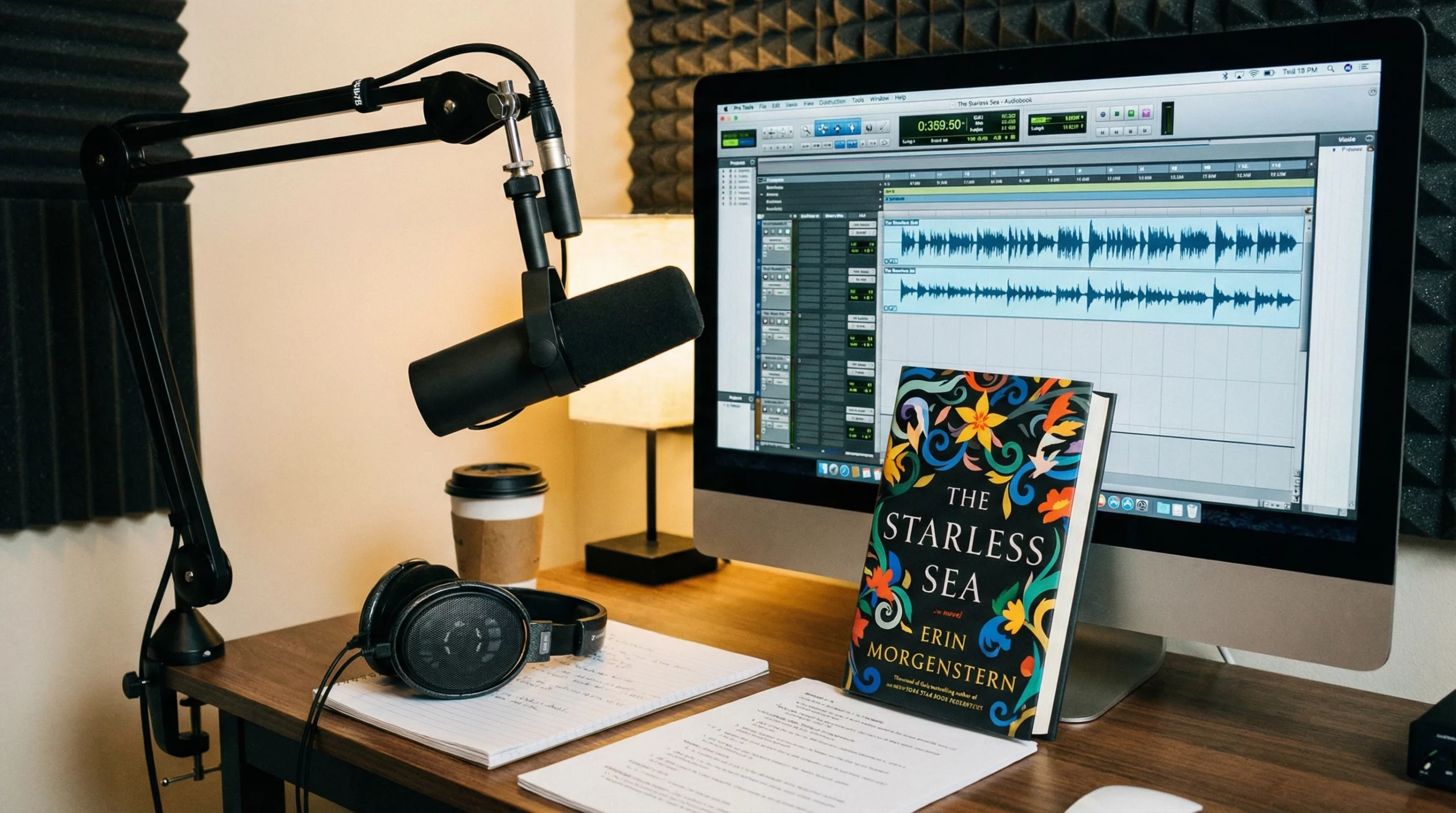
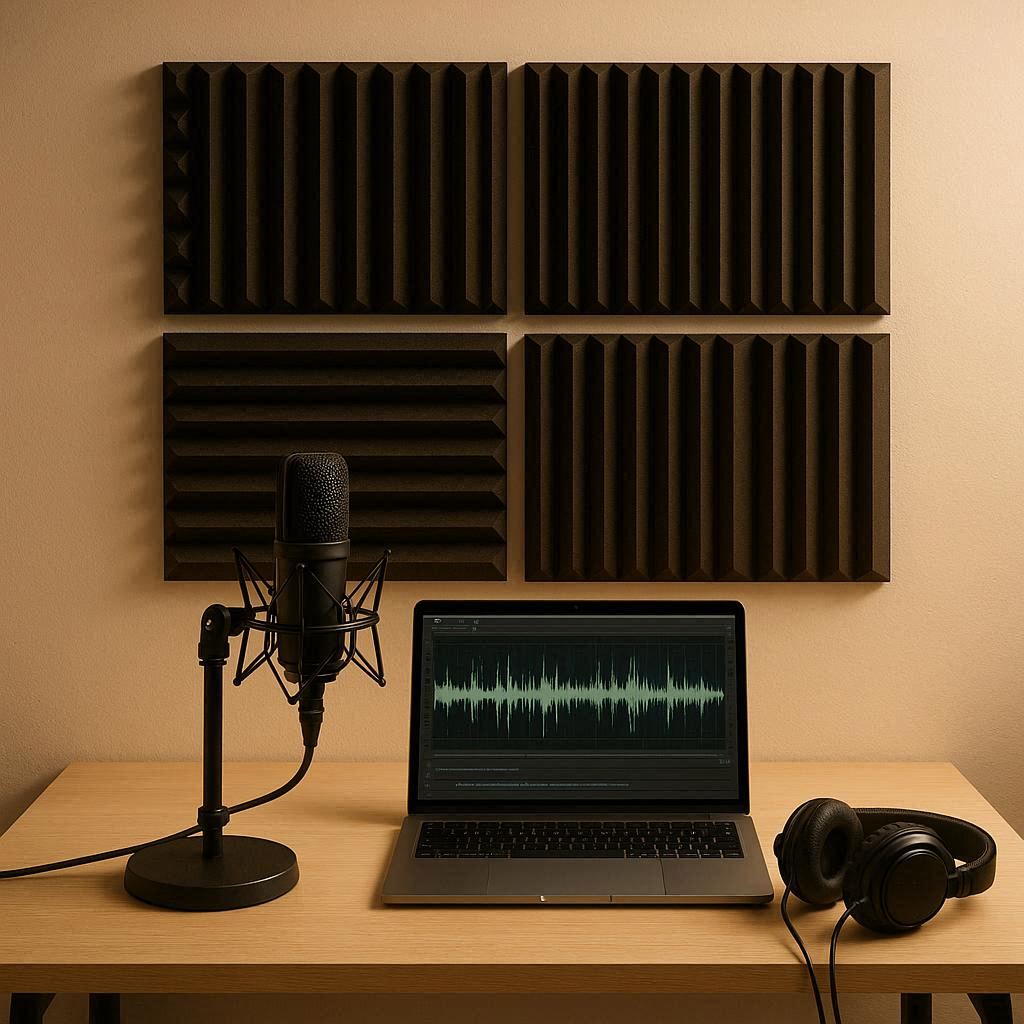
Equipment needed: A solid USB mic (like the AudioTechnica ATR2100 or a Blue Yeti), a quiet setup, and free editing software (Audacity is popular and easy to use).
Know-how: You’ll need patience for editing out breaths, mistakes, and background noise. It’s not hard; it just takes time.
Pros: Your personal touch, unique voice, and clear authenticity.
Cons: Takes a little more effort and confidence behind the mic. Long books mean long hours.
Option B: Use AI Voice Generators
Many creators are now producing AI narrated audiobooks because the technology has improved dramatically and can reduce production costs.
Some of my favorite AI voice platforms are: ElevenLabs, Murf AI, Play.ht
Cost comparison: AI narration is way cheaper than hiring professional voice talent (which can run $100+ per finished hour).
Speed advantage: You can create a finished audiobook in hours, not weeks.
Voice quality improvements: AI voices sound more natural than ever. Still, pick a platform with good pronunciation and emotion, especially for fiction.
Step 3: Format & Produce the Files
- Audio specs: Stick to 192kbps MP3 files, mono channel, 44.1kHz sample rate (this is the standard many audiobook platforms require).
- Cover design: Your audiobook needs an eyecatching square cover. 2400×2400 pixels is the norm. Canva makes this simple if you don’t have design experience.
- Metadata optimization: The title, author name, description, categories, and keywords matter a lot. Use popular search terms to help your audiobook get noticed in store listings and on Google.
Subscribe and Get Your FREE
Audiobook Setup Checklist
Where to Sell Audiobooks (Best Platforms)
Several audiobook platforms allow independent creators to publish and distribute their audiobooks online, even without a traditional publisher.
- Amazon via ACX: ACX is the audiobook publishing branch of Amazon. It gets your book on Audible, Amazon, and iTunes. The audience is huge, which can mean more sales. Just watch out for their exclusivity requirements and the 40% royalty rate if you go exclusive; it drops to 25% if you opt for wider distribution.
- Audible: The world’s biggest audiobook platform is powered through ACX, so uploading there gives you the best exposure for new releases and niche books.
- Findaway Voices: This one’s super useful if you want to distribute your audiobook to a bunch of smaller stores, libraries, Spotify, and Apple Books. Plus, there are fewer restrictions and more flexibility with pricing.
- Sell Directly on Your Website: Tools like WooCommerce or SendOwl let you keep more of the sale price. You can offer membership access, audiobook/ebook bundles, and set your own terms. Building your own audience with an email list or by adding exclusive content is the best way to grow profits over time.
How to Price Your Audiobook
Here’s a quick cheat sheet on pricing so you don’t overthink it:
- Industry averages: $7–$20 for most retail audiobooks. Shorter works (1–2 hours) do well at the $4–$7 mark.
- Short form pricing strategy: Aim under $10 if your audiobook is under 3 hours, think coffee money, not dinner money.
- Bundle strategy: Pair your audiobook with an ebook or PDF guide as a package. This increases perceived value so you can nudge your price higher ($12–$25 for a bundle).
- Launch discount tactic: Offer a discount for the first few weeks to drive fast sales, gather positive reviews, and build momentum.
Example pricing tiers: $6.99 for a novella, $9.99 for a 5hour nonfiction book, $14.99 for a bundled package. Test price points, but don’t be afraid to start at the lower end to gain listeners and reviews.
Example Pricing Strategy for New Audiobook Creators
If you’re unsure how to price your audiobook, it helps to look at common pricing ranges used by independent creators.
| Audiobook Length | Typical Price | Example Earnings (100 sales)* |
|---|---|---|
| 1–2 hours | $4 – $7 | $160 – $280 |
| 3–5 hours | $8 – $12 | $320 – $480 |
| 6+ hours | $12 – $20 | $480 – $800 |
*Example assumes around 40% royalties on audiobook platforms like Audible or ACX.
Shorter audiobooks are often easier for beginners to produce and sell because they are:
- Faster to create
- Lower priced for buyers
- Easier to test in different niches
Many creators start with shorter audiobooks as entry products, then release longer or more advanced content later.
The key idea is simple: more audiobooks in your catalog can lead to more consistent sales over time.
How to Market Your Audiobook Without a Big Audience
One of the biggest myths about selling audiobooks is that you need thousands of followers to make sales. In reality, many creators start with zero audience and grow their audiobook income by using simple marketing strategies.
The key is visibility and consistency, not popularity.
Even simple audiobook marketing strategies can help new creators attract listeners and start generating sales.
Here are some beginner-friendly marketing strategies that actually work.
1. Share Short Audio Clips on Social Media
Short audio previews are one of the easiest ways to get attention.
Platforms like TikTok, Instagram Reels, and Facebook are perfect for 30–60 second snippets from your audiobook.
Ideas for audio clips:
- A powerful quote from your book
- A helpful tip or lesson
- A suspenseful moment from a story
- A quick “Did you know?” fact
These clips give people a taste of the audiobook and make them curious to hear the rest.
Tip: Add subtitles to your videos so people can follow along even if they’re watching without sound.
2. Turn Quotes Into Shareable Graphics
Another simple strategy is turning lines from your audiobook into visual quote posts.
For example:
- Motivational quotes
- Key insights from nonfiction books
- Memorable lines from fiction
Pair the quote with your audiobook cover and post it on platforms like:
This type of content is easy to create and share repeatedly.
3. Use Email Marketing, Even With a Tiny List
Email is still one of the best ways to promote digital products.
Even if you only have 10 or 20 subscribers, they are more likely to support your work.
Ways to promote your audiobook through email:
- Send a free sample chapter
- Offer a launch discount
- Share the story behind why you created the audiobook
A small but engaged email list can generate your first reviews and initial sales, which helps build momentum.
4. Run Small Amazon Ads
Amazon ads can be surprisingly effective for audiobooks.
Because people browsing Audible or Amazon are already looking for books, they are more likely to buy compared to social media audiences.
Beginner strategy:
- Start with $3–$5 per day
- Target keywords related to your audiobook topic
- Test different keywords over time
Even a few extra sales per week can help your audiobook rank higher in search results.
5. Collaborate With Small Creators
You don’t need big influencers to promote your audiobook.
Small niche creators often have highly engaged audiences.
Ways to collaborate:
- Offer a free audiobook copy for review
- Ask them to share a short audio clip
- Do a content exchange (you promote them, they promote you)
Sometimes a small creator mentioning your audiobook can generate more sales than a large account.
6. Build Momentum With a Simple Content Plan
Consistency matters more than posting everywhere.
A simple weekly marketing routine might look like this:
| Platform | Content Type | Frequency | Goal |
|---|---|---|---|
| TikTok / Reels | Audio clip preview | 2x per week | Attract new listeners |
| Quote graphics | 3–5 pins per week | Long-term traffic | |
| Sneak peek or tips | 1x per week | Build loyal audience | |
| Blog | Related content | 1–2 posts per month | SEO traffic |
This kind of system helps your audiobook get discovered repeatedly over time.
7. Focus on Reviews Early
Reviews are extremely important for audiobook sales.
The easiest way to get them is by giving free review copies to early listeners.
You can offer review copies to:
- Email subscribers
- Small creators in your niche
- Early buyers who agree to leave feedback
Even 5–10 positive reviews can dramatically improve visibility on audiobook platforms.
You don’t need a massive audience to sell audiobooks. What matters most is consistent exposure, small promotions, and building a catalog over time.
If you want step by step marketing tips for small creators, I’d recommend joining the Wealthy Affiliate community. It’s super practical for beginners getting off the ground.

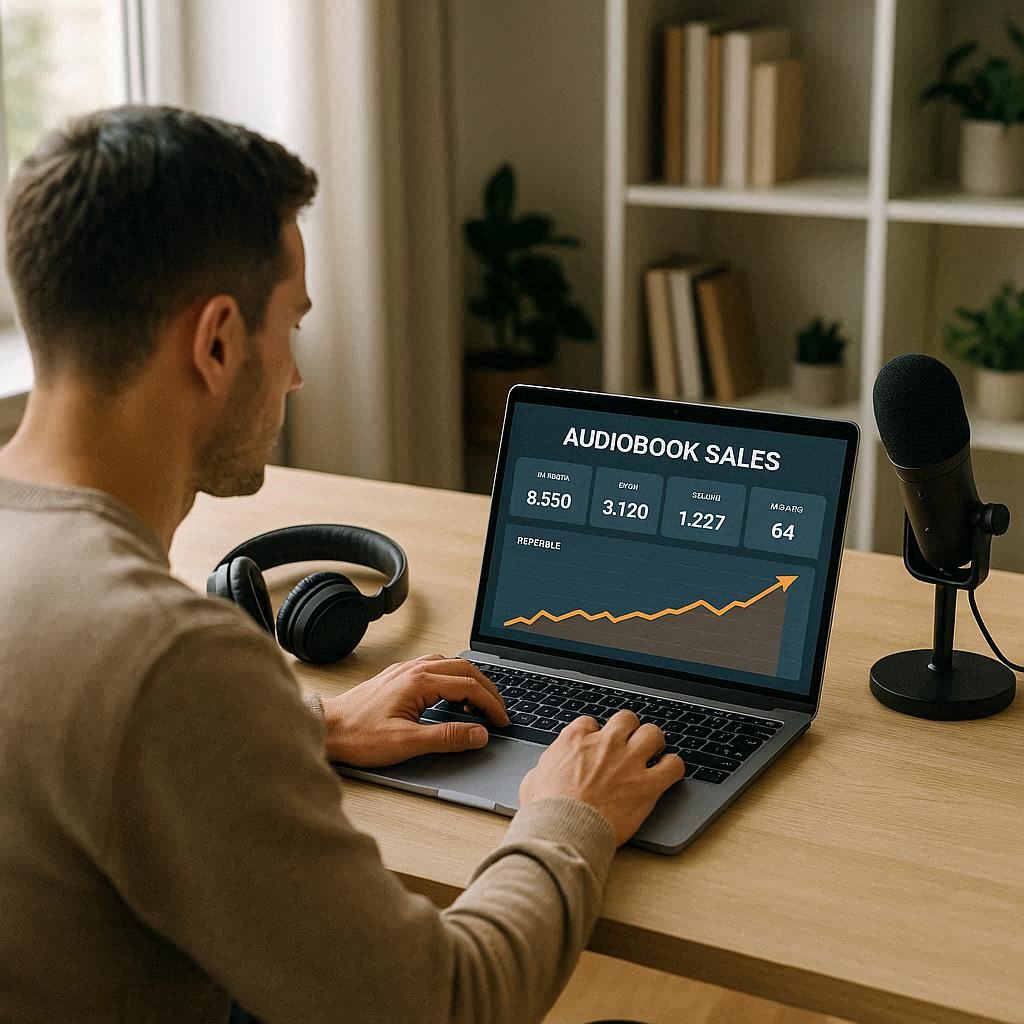
How Much Money Can You Make Selling Audiobooks?
No sugarcoating here: income ranges wildly based on your topic, cover quality, and how many different audiobooks you have out there. Here’s a basic example:
- Let’s say your audiobook is priced at $9.99.
- On Audible/ACX, with a 40% royalty, you earn about $4 per sale.
- If you sell 100 copies per month, that’s $400, without ongoing work after launch.
- Publishing more than one audiobook is how the pros scale up. Each new book builds on your backlist (imagine having 10 to 15 available over time).
Many creators view passive income audiobooks as a long-term strategy because each new release adds to a growing catalog of products.
I personally know creators who clear $500–$1,500 each month by stacking up small niche audiobooks and selling across platforms. It’s not overnight money, but it’s truly repeatable and grows as your catalog does.
Case Study – Turning a Short Guide into an Audiobook
One creator I know started with a simple 3-hour nonfiction audiobook about productivity habits. The content was originally written as a small ebook, which they converted into an audiobook using an AI voice tool.
They published it through ACX and priced it around $8.99.
At first, sales were slow, but after sharing short audio clips on social media and running a small Amazon ad campaign, the audiobook began picking up traction.
Within a few months, the book was averaging 60–80 sales per month, earning roughly $250–$320 monthly in royalties. The creator later released two more audiobooks on related topics, which pushed their total monthly earnings to around $900.
The key takeaway: one small audiobook can turn into a growing catalog of digital products.
Example Income Scenarios for Audiobook Creators
Audiobook income can vary widely, but seeing realistic scenarios can help set expectations.
Here are a few simple examples based on common royalty rates.
Beginner Scenario
- 1 audiobook published
- Price: $9.99
- Royalty: ~$4 per sale
- 40 sales per month
Estimated income: $160/month
Growing Creator Scenario
- 5 audiobooks published
- Average 30 sales per book per month
- Royalty: ~$4 per sale
Estimated income: $600/month
Catalog Strategy Scenario
- 12 audiobooks published
- Average 25 sales per book per month
Estimated income: $1,200/month
This is why many audiobook publishers focus on building a catalog instead of relying on one title.
Each audiobook becomes another digital product that can generate income long after it’s published.
Over time, a collection of smaller audiobooks can turn into a steady stream of passive income audiobooks.
Common Mistakes Beginners Make
Here are a few pitfalls that I see new sellers run into (and ways you can sidestep them):
- Poor audio quality – Background noise or robotic sounding narration will tank reviews.
- Ignoring metadata – If people can’t find your book, they can’t buy it.
- Picking super crowded, competitive niches – It’s smarter to start with evergreen or niche topics with less competition.
- Not building an email list – Almost everyone jumps right into selling, but staying in touch with listeners brings repeat sales and reviews.
Scaling the Audiobook Business
- Turn your first book into a series – Listeners come back for sequels or related topics.
- Repurpose your content into a podcast, YouTube videos, or a membersonly area on your site with bonus audio training or interviews.
- Once you’re making sales, try hiring professional voice talent to reach new audiences or pump up quality further. Platforms like Upwork or Voices.com are good places to look.
Frequently Asked Questions
Can you sell audiobooks without writing a book?
Yes, as long as you have the proper rights. Use public domain works or buy PLR content that allows audio adaptation.
Is ACX worth it?
ACX is a top pick for Amazon/Audible access, but watch for exclusivity terms. If you want to sell on more platforms, consider Findaway Voices.
Can AI narrated audiobooks be sold on Audible?
As of now, Audible is starting to allow AI narration for some submissions, but always check the latest guidelines. Other platforms are more AIfriendly.
How long should an audiobook be?
Short audiobooks (60–90 minutes) perform well as entry products. No strict rule, anywhere from 1 hour to 20+ hours, depending on content.
Do audiobooks make passive income?
Yes, as long as the audiobook sells and the platforms keep listing it, you’ll keep getting paid.
Start Selling Audiobooks, It’s the Right Time
Audiobooks are one of those rare digital products that work for almost anyone: writers, creators, side hustlers, or folks looking for a fun new project. With AI narration and low entry costs, the old barriers don’t really apply anymore. I honestly think it’s never been easier to turn your words into ongoing income. The next move is up to you.
With modern tools and accessible audiobook platforms, it’s easier than ever to self-publish audiobooks and build a growing catalog of digital products.
If you want a cheat sheet, I suggest downloading my free audiobook setup checklist and joining my newsletter for creators for weekly tips on digital products.
Ready to earn on your terms? Make an audiobook and see just how far you can go. Start now, and your future self might just thank you for it.
Let’s make it happen!