
How To Choose Your First Affiliate Program (Beginner-Friendly Guide)
Choosing the right affiliate program is one of the most important steps for beginners in affiliate marketing. The best programs align with your niche, have proven demand, and offer products that convert consistently. Focusing on relevance, trust, and simplicity helps increase conversions and build a sustainable income over time.
If you’re trying to earn money online, affiliate marketing for beginners is usually one of the first things to pop up in your search. But once you start digging deeper, you’ll quickly realize there are thousands of options, and knowing how to choose an affiliate program isn’t as simple as it seems.
Many beginners jump into the best affiliate programs for beginners they see online, often chasing high commissions ($100–$500 commissions) or flashy promises. But that doesn’t always lead to results.
I’ve seen tons of people chase the “shiny objects” or jump from one program to another, hoping for quick wins, only to feel frustrated when nothing clicks.
In this guide, I’ll show you how to choose your first affiliate program using a simple framework that actually works, even if you have zero experience.
If you’re starting with affiliate marketing for beginners, choosing the right program is one of the most important steps. Thousands of affiliate programs exist, but most beginners choose the wrong one. It’s super easy to get lost in the maze of high-paying offers and big promises, but that doesn’t always lead to results.
I’ve seen tons of people chase the “shiny objects” or jump from one program to another, hoping for quick wins, only to feel frustrated when nothing clicks. I want to make choosing your first affiliate program way easier with a simple framework. It actually works, even if you have zero experience.
When I first started with affiliate marketing, I made the mistake of chasing high-ticket programs. I was promoting expensive offers that looked great on paper, but they didn’t convert.
I was getting clicks, but no sales.
Once I switched to a simple, trusted product that people were already searching for, I made my first commission much faster. That’s when I realized: choosing the right affiliate program matters more than anything else.
TL;DR
To choose your first affiliate program, focus on products that match your niche, have proven demand, and convert well. Avoid chasing high commissions and prioritize trust, simplicity, and relevance. Start with one beginner-friendly program, track performance, and improve based on real results to build consistent income.
Choosing your first affiliate program comes down to relevance, demand, and conversion potential. Focus on products that match your niche, are actively searched for, and are easy to promote. Beginners should prioritize simple, trusted programs and start with one offer, testing performance before scaling.
What Is an Affiliate Program? (Affiliate Marketing for Beginners Explained)
An affiliate program is a partnership where you promote a product or service using a unique tracking link and earn a commission when someone makes a purchase through your referral. It’s one of the most common ways beginners start earning online without creating their own products.
An affiliate program is a partnership where you promote a company’s product or service and get paid a commission if someone buys through your referral link. You sign up for the program, get a special tracking link, share it in your content, and if people buy, you earn a cut.
That’s pretty much it. Click, buy, and a commission drops into your account. Super beginner-friendly, and you don’t need much to get started except an internet connection and a bit of hustle.
Relevance is everything if you want your affiliate links to work. When learning how to choose an affiliate program, this is the first thing to get right.
If you promote random products that don’t match your niche, your audience will quickly lose trust. But when your offers align with your content, everything feels natural, and that’s what drives conversions.
Most of the best affiliate programs for beginners are not necessarily the highest paying, they’re the ones that fit your audience perfectly.
No matter how great a product or payout is, you need actual people searching for it. This is one of the most overlooked steps in affiliate marketing for beginners.
The easiest way to validate demand is to check what people are already searching for.
When deciding how to choose your first affiliate program, understanding how you get paid is important, but it shouldn’t be your only focus.
Why Choosing the Right Affiliate Program Matters
Choosing the right affiliate program directly impacts your success. A well-matched program leads to higher conversions, better audience trust, and more consistent income, while the wrong one can result in clicks without sales, wasted effort, and frustration, especially for beginners.
Not all affiliate programs are created equal. Picking the right one affects your results in a big way. The best program means higher conversion rates, more trust with your audience, and a steadier income over time.
Sometimes, a program pays out huge commissions, but the product is so obscure that no one ever buys it. On the flip side, a lower-commission product that people love can add up quickly.
For example, a $20 commission on a popular tool that converts well will usually beat a $100 commission on something nobody wants. Making a smart choice here really pays off in the long run.
What Happened When I Chose the Wrong Affiliate Program
When I first started, I chose a high-ticket affiliate program that promised big commissions. It looked perfect, high payouts, professional branding, but there was one problem: nobody was buying.
I was getting clicks, but zero conversions.
After switching to a simpler, lower-cost product that people were already searching for, I finally made my first commission.
That experience taught me that conversion matters more than commission, every time.
As a beginner to affiliate marketing, start with Amazon Associates, it’s the easiest program to join. I earn my first commission after first six months.
Step 1 – Choose a Program That Matches Your Niche
The best affiliate programs align with your niche and audience interests. Promoting relevant products builds trust and increases conversions, while unrelated offers often get ignored. Matching your affiliate program to your content ensures your recommendations feel natural and more effective.
Relevance is everything if you want your affiliate links to work. When you promote random products that don’t fit your topic, your audience can sense it, and they’ll probably ignore what you say.
Aligning affiliate offers with your content makes the promotion feel natural. Let’s say you blog about fitness. Supplements, workout apps, or exercise programs make sense. If you focus more on online business, tools like email platforms, website builders, or software would fit better.
Matching your affiliate program to your niche keeps things authentic and much more effective.
- Fitness blog: protein supplements, workout gear, fitness courses
- Online business: SEO tools, website hosting, marketing software
- Personal finance: budgeting apps, financial planning tools
Step 2 – Make Sure There Is Real Demand
Before choosing an affiliate program, confirm there is real demand for the product. Check search engines, YouTube, and forums to see if people are actively searching, reviewing, or discussing it. Strong demand increases your chances of getting clicks and making consistent sales.
No matter how great a product or payout is, you need actual people searching for it. This step is pretty handy, it saves a lot of time. Easiest way to check? Use Google’s autosuggest, YouTube, or see what people are talking about in forums or Reddit threads.
Type in your product idea and see if there are lots of reviews, questions, or “best X for Y” lists. If you see it everywhere, demand is there. If you can’t find anyone talking about it, it’s probably not worth your time.
- Google search: Does the product autocomplete or show up often?
- YouTube: Are there popular reviews or tutorials?
- Reddit/forums: Are people asking questions about it?
Subscribe to Qualify Wealth
Step 3 – Understand the Commission Structure
Affiliate programs offer different commission structures, including one-time payments, recurring commissions, and tiered payouts. While high commissions can be appealing, beginners should focus on products that convert consistently rather than chasing large but unreliable payouts.
This is where things get interesting. Not all commissions are created equal! Some pay one-time, while others pay you every month as long as the customer keeps using the product (recurring commissions).
Some even offer tiered payouts, meaning higher rewards if you sell more. Watch out for programs that brag about huge commissions but have strict rules or almost impossible conversions.
For beginners, any program offering at least a 10-30% commission (or $10-$50 for one-time) on a product with steady demand is usually good enough to get the ball rolling.
- One-time payments: You get paid a flat fee per sale.
- Recurring commissions: You earn as long as the customer stays subscribed.
- Tiered commissions: Higher rates if you hit certain sales targets.
Step 4 – Size Up Conversion Potential (Really Important)
Conversion potential is one of the most important factors when choosing an affiliate program. Products with strong reviews, trusted branding, and simple purchase processes are more likely to turn clicks into sales, making them more profitable than high-commission offers with poor conversion rates.
This step tends to get skipped the most but it’s actually where the money’s made. If the product or service is trusted, has solid reviews, and the sales page looks professional, more of your clicks will turn into sales.
Read some customer reviews, try the product if possible, and look at the sales funnel. Is the checkout process simple? Are there testimonials? If you feel confident about buying it yourself, that’s a good sign. Strong conversion rates are usually better than even high commission rates.
Key questions:
- Do people trust this brand?
- Are there a lot of positive reviews?
- Does the sales page make it easy for someone to buy?
Step 5 – Check the Affiliate Program Quality
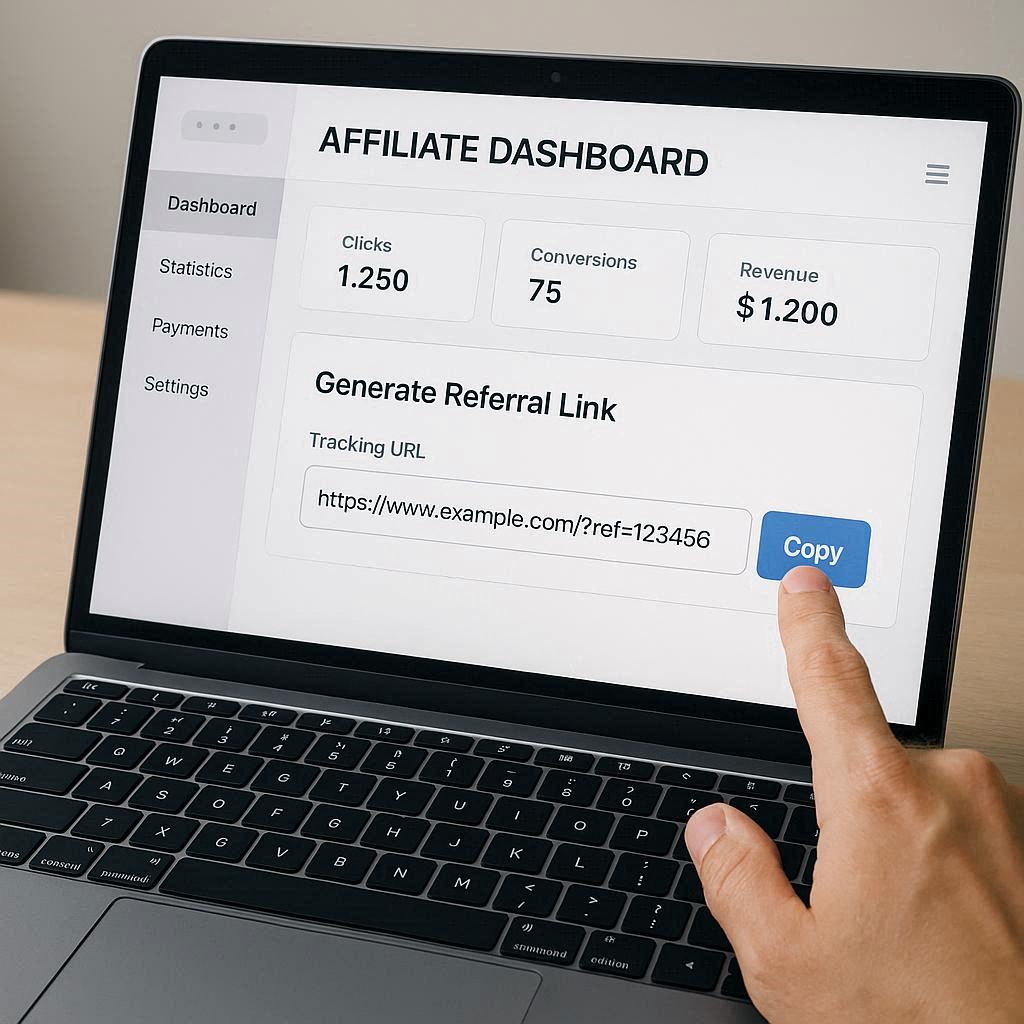
A high-quality affiliate program should offer reliable tracking, an easy-to-use dashboard, clear payout terms, and responsive support. Poor backend systems can lead to lost commissions and frustration, so evaluating program infrastructure is essential before promoting any product.
The program’s backend matters more than you might think. A clunky dashboard, unreliable tracking, or limited payout methods can get annoying fast.
Look for programs with an easy to use dashboard (where you can get your links, track sales), good tracking technology, simple payout methods (PayPal, bank transfer), and responsive affiliate support.
Programs that have an actual affiliate manager or team to help are always worth checking out.
Real Example: Good vs Bad Affiliate Program
Let’s make this simple with a real-world comparison:
Bad choice: Promoting a $500 course with no reviews, no brand trust, and no real demand.
Good choice: Promoting a $20/month tool that people actively search for, with strong reviews and a simple signup process.
Even though the commission is lower, the second option will almost always generate more consistent income because it actually converts.
| ✅ Good Affiliate Program | ❌ Bad Affiliate Program |
|---|---|
| Fits your niche | Random product |
| Trusted brand | No reviews |
| Clear payouts | Confusing terms |
| Reliable tracking | Missing or delayed payments |
| Good support | No help available |
Step 6 – Make Sure It’s Beginner-friendly
Beginner-friendly affiliate programs are easy to join, simple to use, and often provide training or support. Starting with a straightforward program helps new affiliates focus on learning and generating results without being overwhelmed by complex requirements or approval processes.
Some affiliate programs require you to have a website or a big following to get approved. Others are open to anyone with an email address. For your first pick, start with one that’s easy to join and doesn’t need a ton of setup.
Beginner-friendly programs usually offer training, guides, and FAQs to help you get rolling. A smooth, clear process for grabbing your links and setting things up goes a long way.
Step 7 – Start Small and Test
Beginners should start with one affiliate program and test performance before scaling. Tracking clicks and conversions helps identify what works, allowing you to refine your strategy and avoid wasting time promoting products that don’t generate results.
Jumping in with both feet isn’t necessary, and can even set you back. It works best to pick one program, add your affiliate links to a few pieces of content, and track what happens.
If you notice clicks but not sales, consider switching to something else. Adjust and experiment slowly, using real results to guide your decisions instead of gut feelings.
- Track your clicks and conversions
- Don’t overcommit, keep your options open
- Use what you learn to try better programs later
What Actually Works (Based on Real Testing)
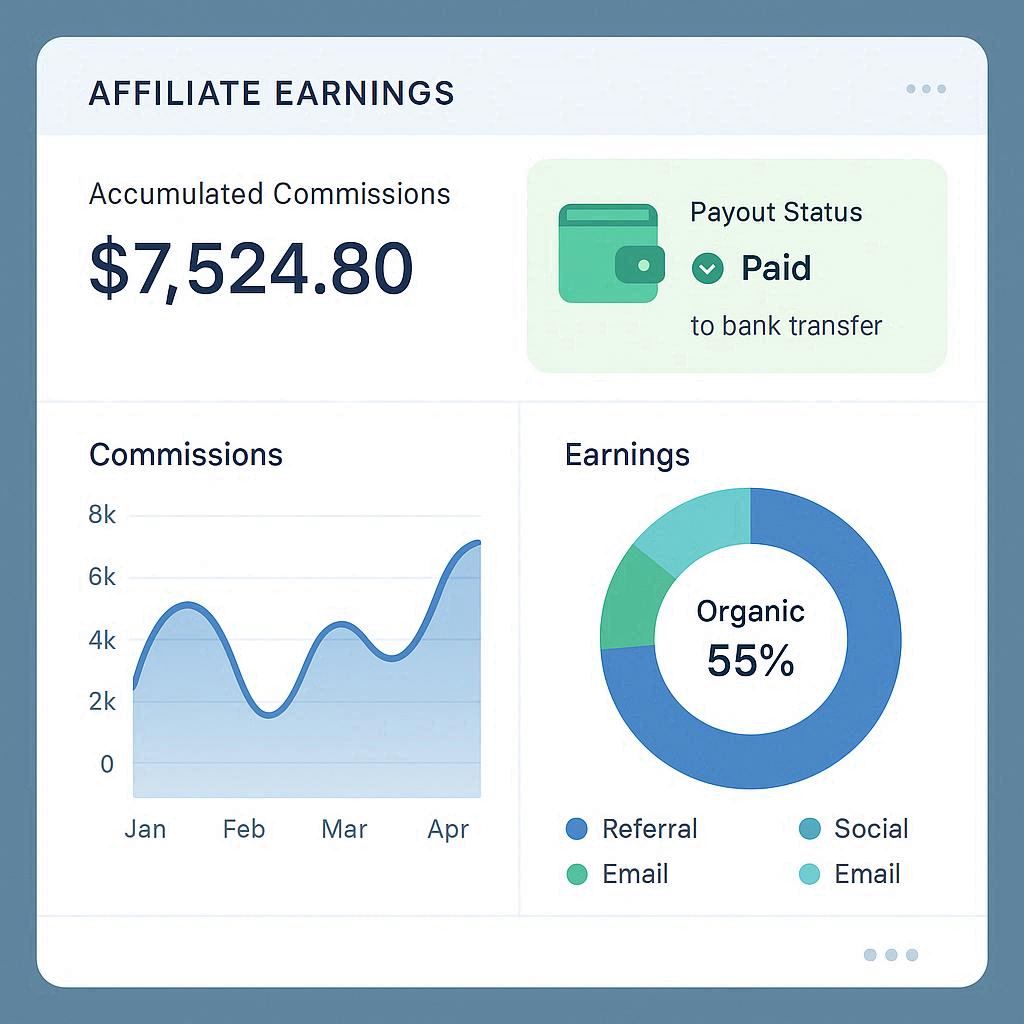
From experience, simpler products with clear demand tend to convert much better than complex or expensive offers.
Programs that solve an immediate problem and have strong reviews consistently outperform high-ticket offers with weak trust signals.
This is especially true for beginners who are still building credibility with their audience.
Common Mistakes to Avoid
Common affiliate marketing mistakes include choosing programs based only on commission size, promoting too many products at once, and ignoring audience needs. Avoiding these errors helps maintain focus, build trust, and improve long-term results.
- Picking only on payout size instead of relevance
- Promoting too many programs at once
- Ignoring what your audience cares about
- Forgetting to test your links or review products first
Avoiding these mistakes can save you a lot of time, money, and headaches. Definitely worth repeating to yourself!
The Reality Most Beginners Don’t Hear
Most affiliate programs don’t fail because they’re bad, they fail because they’re a poor fit for the audience promoting them.
Even a great product won’t sell if it’s shown to the wrong people.
Understanding this early can save months of trial and error.
Best Types of Affiliate Programs for Beginners
The best affiliate programs for beginners include marketplaces, SaaS tools, and digital products. These options are widely available, often easier to promote, and provide opportunities to learn while earning, especially when they match your niche and audience needs.
- Marketplaces: Amazon Associates, Awin (ShareASale), and CJ Affiliate have wide selections for every niche.
- SaaS tools: Email marketing, SEO tools, and website builders (like Kit (ConvertKit), SEMrush, or Wix) offer recurring commissions, which can add up fast.
- Digital products: Ebooks, online courses, or software with high margins and instant delivery.
These categories really let you learn the ropes without a huge investment or complicated tools. You get a hands-on understanding of how the process works; plus, you can practice talking about products you know and like.
Can You Join Multiple Affiliate Programs?
Yes, you can join multiple affiliate programs, but beginners should start with one or two to maintain focus. Managing too many programs early can reduce effectiveness, while a focused approach helps build momentum and better results over time.
The short answer: yes, you can. But early on, it’s usually smarter to focus on one or two programs that fit your content really well. Spreading your attention across too many programs might cause you to lose focus and make less progress.
As you get more comfortable and see steady results, it becomes easier to add more programs to the mix. This way, you keep things manageable while still aiming for a bigger earning potential later down the road.
Pros: More earning potential, wider product selection, less risk if a program changes its terms.
Cons: Harder to manage, diluted focus, and possible confusion for your audience.
How to Know if an Affiliate Program Is Legit
To identify a legitimate affiliate program, look for real products, transparent commission structures, positive reviews, and clear company information. Avoid programs with unrealistic income claims, vague offers, or poor online reputation, as these are common warning signs.
- No real product, only a signup fee or vague service.
- Unrealistic earnings claims. “Make $10,000 by next week!” is a red flag.
- Poor or almost no real reviews. Trustpilot and Reddit are handy places to look.
- Lack of contact info or clear company info.
When in doubt, Google “[Company/Product] + scam” and see what comes up before you promote anything. Scams can look very convincing, so checking this way is never a waste of time.
If you’re ready to stop guessing and start building, I’d love for you to see what finally worked for me. This training was the turning point in my business. You can see my honest thoughts and the results right here.
Check out the review
Frequently Asked Questions
To choose an affiliate program, focus on niche relevance, product demand, and conversion potential. Beginners should prioritize trusted products with simple setup and consistent demand, rather than chasing high commissions, to increase their chances of success.
How do I choose the best affiliate program?
To choose the best affiliate program, focus on relevance to your niche, check if there is real demand for the product, and evaluate how well it converts. The best affiliate programs for beginners are usually simple, trusted, and easy to promote.
What is a good commission rate?
Anything from 10%–30% (or $10-$50 per sale) for products in steady demand is solid for beginners. Recurring commissions can be worth a little lower percentage since they add up over time.
Should beginners use multiple programs?
It’s usually better to start with one or two, then expand as you gain more experience.
Can I start without a website?
Yes, you can use social media, YouTube, or even email to get started, though having a website does make things easier as you scale.
Quick Affiliate Program Evaluation Checklist
What I Would Do If I Started Again
If I were starting from scratch today, I would pick one simple, trusted affiliate program in my niche, create content around it, and focus only on getting my first few conversions.
I wouldn’t chase multiple programs or high commissions, I’d focus on what works and build from there.
Wrapping Up
The best way to choose your first affiliate program is to focus on fit, demand, and trust rather than high commissions. Start with one beginner-friendly program, test how it performs, and refine your approach based on real results. Consistency and relevance are key to building long-term success in affiliate marketing.
Choosing the right program is one of the most important steps in affiliate marketing for beginners.
Instead of chasing hype, focus on learning how to choose an affiliate program that fits your audience, has real demand, it is easy to promote and verify it’s easy for people to buy what you recommend.
The best affiliate programs for beginners are not always the highest paying, they are the ones that convert consistently and help you build trust over time.
Trust is a lot more valuable than shortcuts. Pick one promising program, set it up, and start testing what works for you. That way, you’ll learn fast and set yourself up for the real wins that come from building trust and value with your audience.
Sticking to these simple steps will help you avoid common traps and make the most of your early efforts in affiliate marketing, and that’s the way to steady, real progress.
If you want to make this even easier, use the checklist above to evaluate your first affiliate program step by step.
Don’t overthink it, pick one program, test it, and improve as you go.
The sooner you start, the faster you learn what actually works.

About Daniella
Founder of several online businesses, creator of SociaLinker, constantly refining the art of earning.
Helping new marketers bypass the “Frankenstein” phase. I don’t believe in patchwork tools, I believe in what works.