
The “Frankenstein” Business: Why My First Affiliate Site Failed, And How I Fixed It
Building a successful affiliate marketing business in 2026 requires a shift from fragmented software “patchwork” to integrated ecosystems. While traditional “Frankenstein” setups, combining disparate hosting, keyword tools, and plugins, often cost over $200 monthly, all-in-one platforms offer a streamlined alternative that reduces technical overhead and improves site performance. This analysis explores how transitioning to a centralized model eliminates “IT burnout” and aligns with Google’s current E-E-A-T standards.
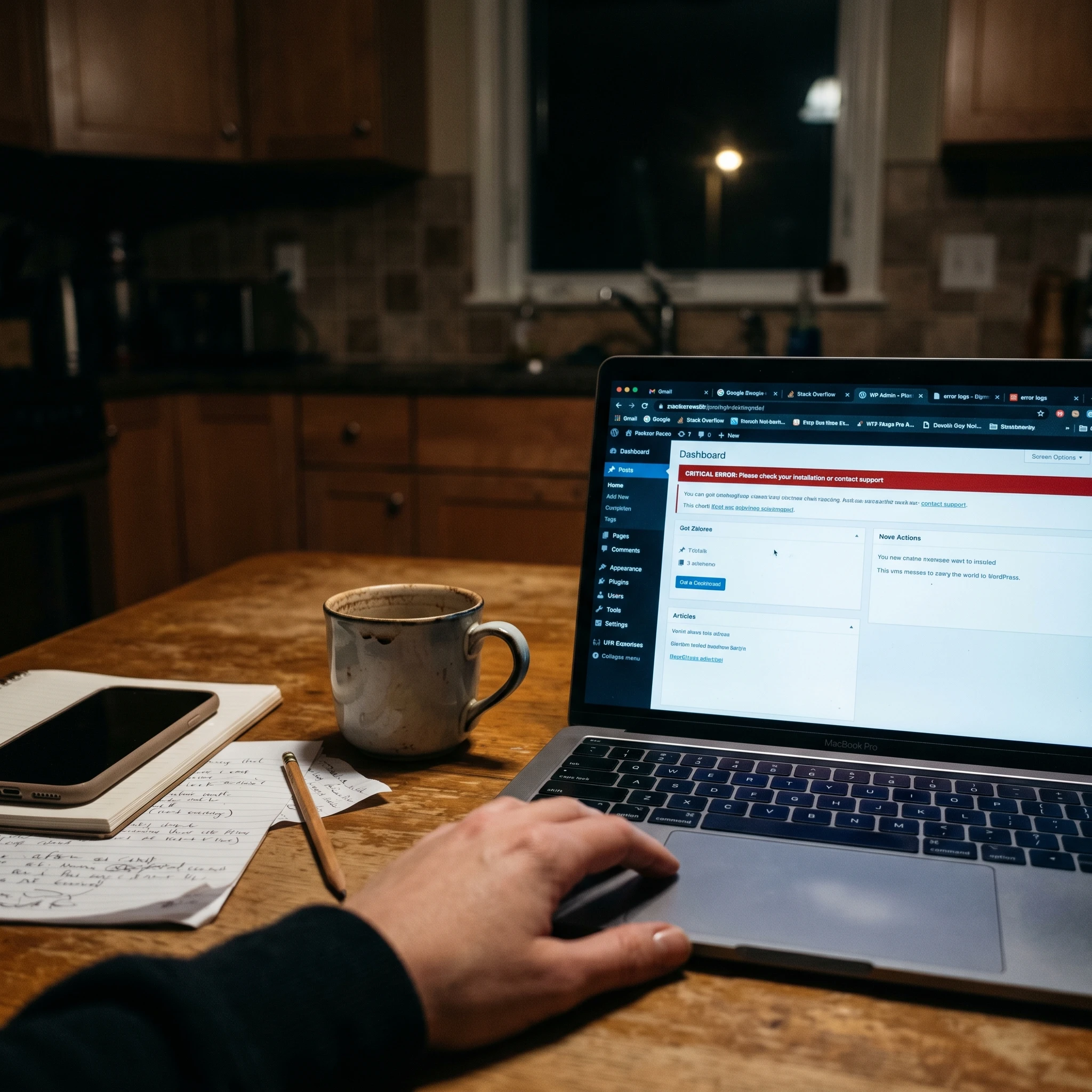
Slogging away at my kitchen table at 2 AM, the laptop screen burned my eyes. My mug was empty, but the browser was full. Tabs for web hosting, keyword research, a YouTube tutorial on WordPress, a download link for an eye-catching but confusing theme, and a glaring credit card statement: $150 in subscriptions. And my brand new affiliate site had earned exactly $0.
I’d convinced myself I was an affiliate pro in the making. I had the niche picked out, my Amazon Associates account ready, and big dreams of passive income. But with every “essential” plugin I bought and every API I tried to connect, the mess grew.
I remember staring at a ‘Critical Database Error’ on my WordPress dashboard for six hours while my hosting support was ‘offline.’ That’s when the Frankenstein monster really started to bite: awkward, expensive, and kind of pointless.
TL;DR
If you’re pulling your hair out over conflicting tools, growing subscription costs, and zero results from your first affiliate site, you’re not alone. I turned things around by switching from patchwork “solutions” to an all-in-one platform and switching my focus from tech headaches to marketing. This post unpacks how I fixed my site and what I wish I’d done on day one.
The Mounting Costs They Don’t Talk About
Affiliate marketing startup costs often exceed expectations due to “Frankenstein” patchwork setups. Common expenses include managed hosting ($15-$50/mo), premium keyword research tools ($99/mo), and specialized WordPress security. These fragmented subscriptions create technical debt and “integration overwhelm,” often costing beginners over $200 monthly before they see any profit or traffic results.
Most online “Gurus” love to say affiliate marketing is cheap and turnkey. But nobody warns you about the real costs that pile up before you ever make a dime:
- Hosting: $15 a month, for basic shared hosting. And that’s just the start.
- Keyword Research: $99/month if you want access to reliable data. Most of the good tools cost at least this much.
- Courses: That $997 onetime “roadmap to riches” program everyone on YouTube pushes.
- Themes/Plugins/Security: A decent WordPress theme and good security will run about $50/year together.
I spent more hours sorting out subscriptions, emails, passwords, and “integration issues” than actually writing content or learning anything about my audience. All I did was “qualify” a mountain of debt. My bank balance didn’t reflect a business, just a bunch of random expenses trying to look like one.
| Tool / Requirement | The Frankenstein Cost (Monthly) | The WA Ecosystem |
| Managed Hosting | $30 – $50 (High Speed) | Included |
| Keyword Research | $99 (Semrush/Ahrefs) | Included (Jaaxy) |
| Security/SSL | $10 – $15 | Included |
| Affiliate Training | $97+ (Courses) | Included (Weekly Live) |
| Total Monthly | $236+ | Under $50* |
*Note: It depends on your subscription type.
How I Fixed It: The “Ecosystem” Model Switch-Up
Transitioning from fragmented tools to an all-in-one affiliate ecosystem like Wealthy Affiliate streamlines business growth. By bundling hosting, SEO research (Jaaxy), and expert training under one login, marketers eliminate technical troubleshooting. This “ecosystem model” reduces monthly overhead by approximately 75% and shifts the user’s focus from IT maintenance to high-value content creation.
After weeks of stress, I stumbled onto a new way: using a platform that bundles everything, hosting, keyword research, training, website builder, and support, under one login. Basically, it’s the difference between putting up four walls and a roof so you can live inside (and start decorating) versus sleeping under a plastic tarp in a construction zone.
I’ll never forget the night I tried to link my Amazon API to a ‘cheap’ plugin I’d found to save money. It completely trashed my site’s CSS, my beautiful layout suddenly looked like a broken 1997 Myspace page. I spent three days digging through code I didn’t understand just to get it back to “ugly.” With the ecosystem approach, those integrations are usually just a toggle switch. That was the moment I realized I wanted to be a marketer, not a full-time repairman for a broken toy.
I found Wealthy Affiliate almost by accident. Not pushing it as some “magic bullet,” but for once, I didn’t have to troubleshoot plugins or waste afternoons comparing 14 options for the same tool. Everything from hosting to keyword research was ready to go. The relief was real. For the first time since starting my site, I could actually focus on writing content and marketing instead of playing parttime IT support.
Comparing “Frankenstein” Builds vs. Wealthy Affiliate: Side by Side
| Feature | The “Frankenstein” Patchwork | The WA Ecosystem |
| Setup Time | Days of troubleshooting & logins | Minutes (One-click site setup) |
| Support | Random forums & 24hr tickets | Live 24/7 community & site support |
| Research | Expensive 3rd party tools ($99+) | Integrated Jaaxy Research Suite |
| Training | Scattered YouTube/Old courses | Structured, updated weekly lessons |
| Tech Stress | High (You are the IT guy) | Low (Focus on content & marketing) |
- Hosting: WA’s managed hosting is specifically built for speed and security (check out why site speed matters for SEO in 2026). No more getting stuck on outdated shared plans that slow your site or finding out your “discount host” doesn’t know what SSL is.
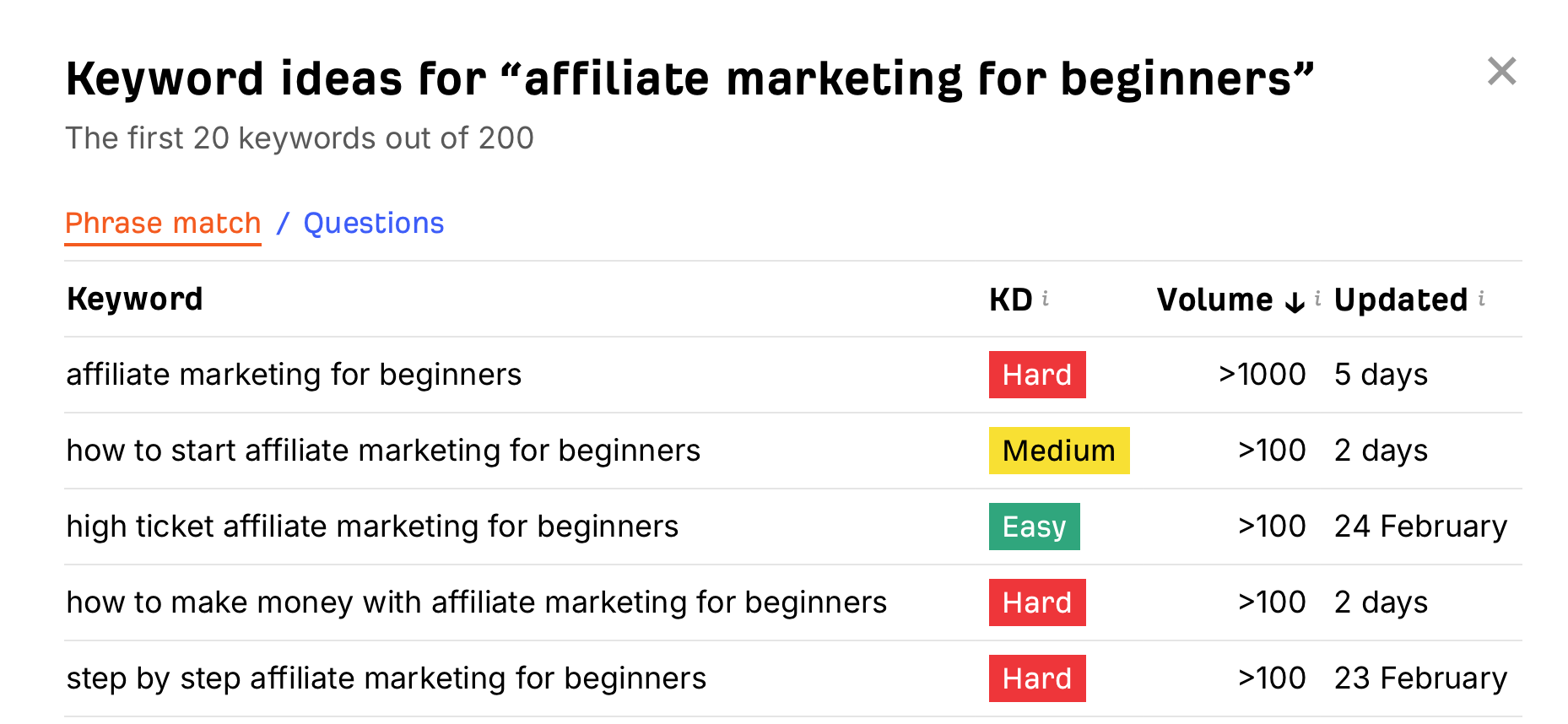
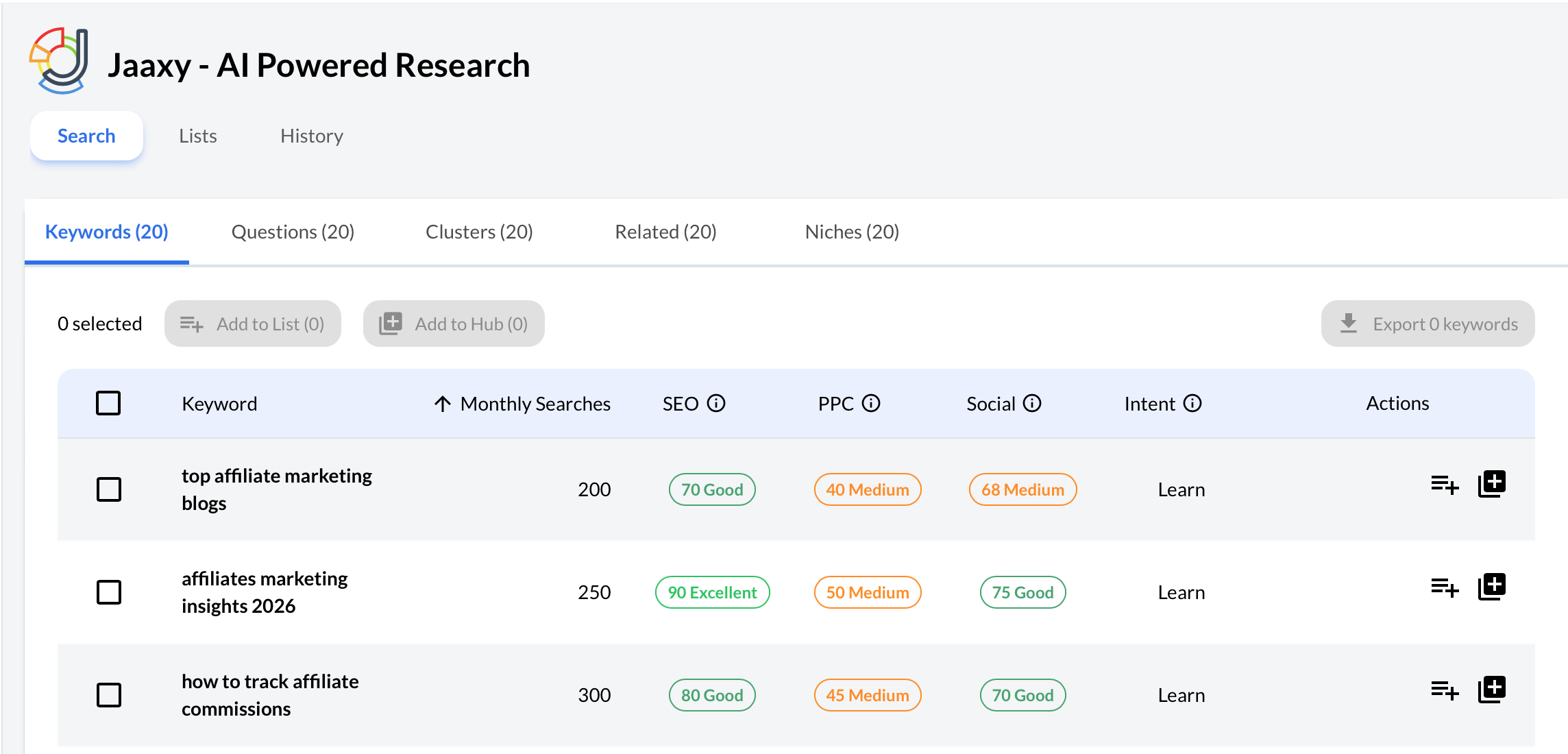
- Market Research: Before WA, I was literally guessing what people searched for. Now, using Jaaxy (included with WA), I get actual search data, competition scores, and “low-hanging fruit” keywords I can win. It’s turned what used to be guesswork into a clear roadmap.
- Mentorship & Community: This one is big. With my old mix of tools, if I got stuck, I was on my own. With WA, I shot a message to support and a real, breathing human answered, fast. Whether it was a weird WordPress issue or a question about backlinks, someone actually helped instead of sending me to a forum post that didn’t solve anything.

2026 Reality Check: Why This Model Still Works
In 2026, Google’s algorithm prioritizes E-E-A-T and technical performance. All-in-one platforms succeed because they provide natively optimized site speed and real-time training updates that reflect current AI search trends. This centralized approach ensures sites meet Core Web Vitals requirements while protecting creators from the “thin content” penalties associated with outdated affiliate tactics.
The online grind isn’t getting easier. Google keeps cranking up the difficulty with algorithm updates that prioritize first-hand experience over generic AI-generated fluff. If you haven’t kept up, Google’s latest search quality guidelines have made one thing clear: “spammy” shortcuts and AI-bot sites are tanking faster than ever. What worked in 2020 will get you penalized today.
It’s super important to have a platform that actually updates their training in real-time. Here’s why the ecosystem model is winning in 2026:
- Adaptability: When AI changes how we do keyword research, WA updates the tools. You aren’t left holding a manual for a car that no longer exists.
- Human Signal: The community points out real-time trends, like which social media platforms are actually converting, before the “Gurus” even start filming their YouTube videos.
- Site Health: Google’s Core Web Vitals are stricter than ever. Having hosting that is natively optimized for speed means you don’t have to spend your weekends obsessing over PageSpeed Insights.
It’s super important to have a platform that actually updates their training regularly. WA is on it every week. The community points out real trends, not just recycled advice. That one tweak, focusing on quality and infrastructure rather than “tricks”, is often the difference between a site that grows and a site that gets buried on page 7 of Google.
The best part of this approach is how it removes the overwhelm. Instead of juggling endless logins and broken integrations, you get the power to focus on real growth strategies. Your energy can go where it counts: content, connecting with your audience, and stepping up your results. Over time, you’ll see improved returns compared to those wasting effort piecing together mismatched tools.
Frequently Asked Questions
What’s wrong with mixing different tools?
Mixing plugins, hosts, and scattered advice means you spend a lot of time troubleshooting and rarely see progress. Consistent updates and support are way easier inside an allinone ecosystem.
Can I start with $0 upfront?
While some platforms have free options, expect to pay for real hosting and research tools. WA’s free test drive is about as close as you’ll get to “risk-free.” Just don’t expect big results from totally free solutions longterm.
What if I’m not technical?
All-in-one platforms are built for non-techies. I started out feeling clueless, but now I spend more time on strategy (and less on solving update errors). Community help is a huge plus here.
Does this model work if AI changes SEO even more?
Absolutely. The all-in-one approach lets you change gears quickly. Fresh training, better keyword data, and new features are rolled out as SEO changes and AI becomes more important. It’s all about staying adaptable and using up-to-date insights.
Is it cheaper to buy everything separately?
Break down the math: usually, individual tools cost 3x more than a bundled ecosystem.
Can I move my ‘Frankenstein’ site to WA ?
Yes, absolutely. The transfer process is easy for everyone and this doesn’t mean you start from zero, you just move the foundation.
My “Shortcut” Offer: Why I’m Paying it Forward
I don’t have a flashy course or a secret formula to sell you. My goal is simpler: I want to help you avoid the months of burnout I went through. When I finally ditched my “Frankenstein” site and moved to Wealthy Affiliate, the biggest game-changer wasn’t just the tools, it was the clarity.
Because I’ve navigated the move from a scattered mess to a streamlined business, I want to help you do the same. If you join WA through my link, I’ll be your personal contact inside the platform. I’ll reach out to you on your profile with my “Day 1 Checklist”, the exact steps I take now to set up a site for success without the tech headaches. No fluff, just a solid roadmap from someone who’s already made all the expensive mistakes for you.
Ready to Ditch the Monster?
Here’s the honest breakdown. If you’ve got two grand burning a hole in your pocket and you love untangling tech headaches, keep building the old school “Frankenstein” way. But if you’d rather build a business that doesn’t feel like a second job just to keep the lights on, switching to an ecosystem is worth checking out.
Give WA’s platform a real test drive and see the difference for yourself. No card needed, just a test run. You’ll get my ‘Day 1 Checklist’ and my personal 1-on-1 mentorship inside the platform for free, and I’d love to see you inside building something that actually works.
Sign up for your free starter account and you’ll get my personal mentorship inside the platform.
One Core Idea, My Straight-Up Take, and Your Next Step
Building a scattered “Frankenstein” affiliate site burns money and time without real results. When I switched to a framework where everything worked together, growth didn’t just get easier, it finally started to happen. Letting go of patchwork solutions freed me up to focus on what actually grows income: good content and smart promotion.
If you’re feeling bogged down by the tech chaos, I’m all in on the ecosystem approach. It saves cash, time, and those late-night “what am I even doing” moments. If you want to finally move forward, take the free test drive, grab my bonus, and get yourself inside a system that sets you up to win.
Turns out, building online isn’t about fighting monsters. It’s about building something that lasts, one focused day at a time.
Disclaimer: This post contains affiliate links. I only recommend tools I personally use and trust. If you purchase through my link, I may earn a commission at no extra cost to you.

About Daniella
Founder of several online businesses, creator of SociaLinker, constantly refining the art of earning.
Helping new marketers bypass the “Frankenstein” phase. I don’t believe in patchwork tools, I believe in what works.